Service
Line Marking
Shepherd and Sons Contracting LTD
IMPORTANCE OF LINE MARKING
Traffic Guidance and Flow: Line markings serve as silent conductors of traffic, directing vehicles along the safest and most efficient routes.
Safety Enhancement: Road markings play a crucial role in enhancing safety, significantly reducing the risk of accidents and improving overall safety.
Communication and Information: Without the need for words, line markings effectively communicate essential information to drivers, ensuring smooth and informed navigation.
Our adherence to high standards of application training and safety protocols has earned us the trust of local governments and communities. Whether it’s marking airfields, sports courts, highways, or car parks, our operatives deliver line marking solutions that prioritise optimal durability, and safety.
We customise our approach based on surface conditions, climate variations, and traffic volume to ensure each project meets its specific requirements.
Line markings
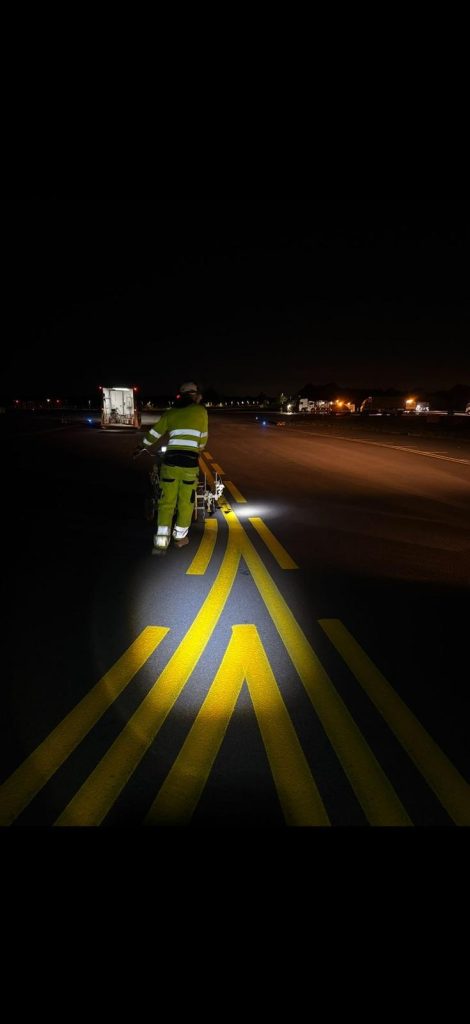
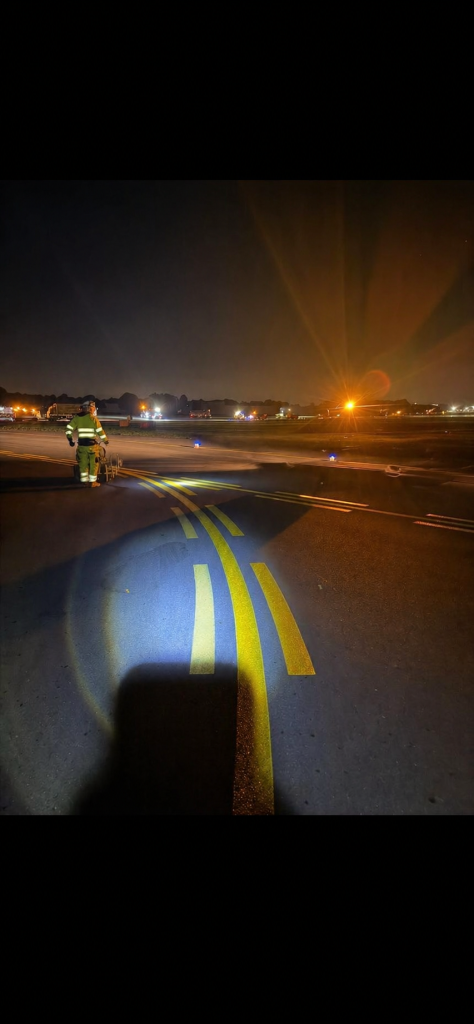
Airfield Marking Requirements CAA guidelines mirror those of ICAO, requiring all UK aerodromes to meet international standards for runway and taxiway markings. For example, the runway edge and centre line markings must be applied with high durability materials (such as epoxy-based paints) that can withstand the wear from aircraft touch downs and traffic without the risk of FOD (foreign object debris) and risk to aircraft.
Performance Standards UK airfields must ensure that their markings are maintained to meet ICAO’s visibility standards. This includes ensuring that reflective materials and paints are used to maintain clear and visible markings for both day and night operations. CAA standards also ensure that markings remain visible in challenging conditions such as low light or during adverse weather conditions, ensuring that pilots can clearly identify boundaries and paths.
Road & Highway Marking Requirements Road and highway line markings in the UK are governed by the Traffic Signs Regulations and General Directions (TSRGD) and must comply with Chapter 5 of the Traffic Signs Manual. All materials used on public highways — including thermoplastic and MMA road markings — must meet the requirements set out by National Highways and local highway authorities. Thermoplastic markings must comply with BS EN 1436 for performance characteristics including skid resistance, retroreflectivity, and durability. Retroreflectivity is particularly critical, ensuring markings remain clearly visible to drivers in low light and wet weather conditions. Road markings on motorways and A roads are subject to additional scrutiny, with material specifications often dictated by the relevant highway authority or Highways England design standards such as CD 143.
Shepherd and Sons Contracting LTD
Our Line Marking Services Options
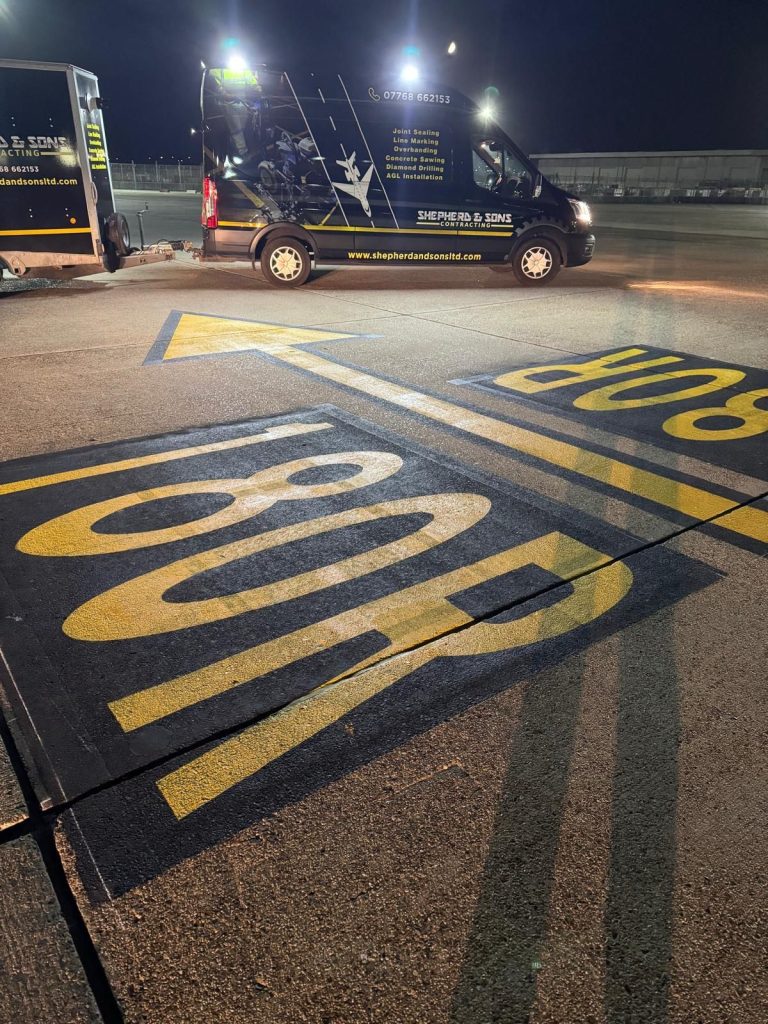
Epoxy Line Marking
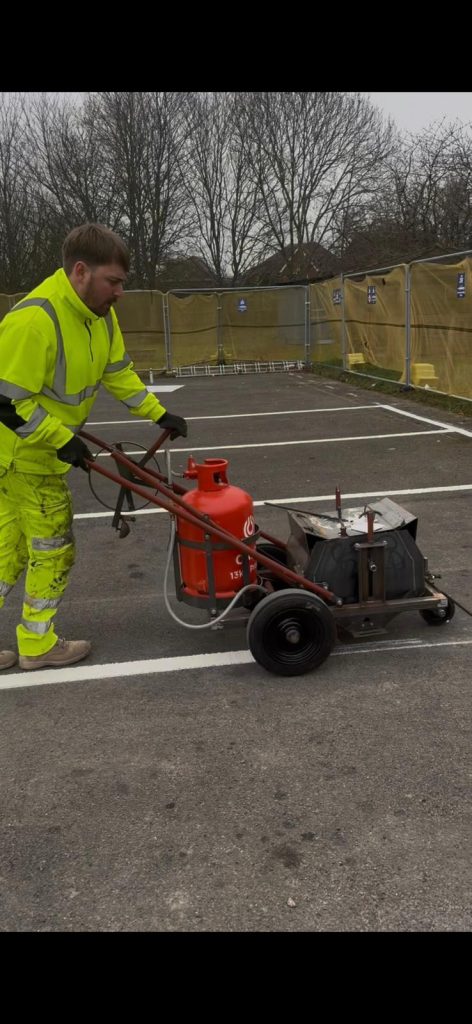
Thermoplastic Road Marking
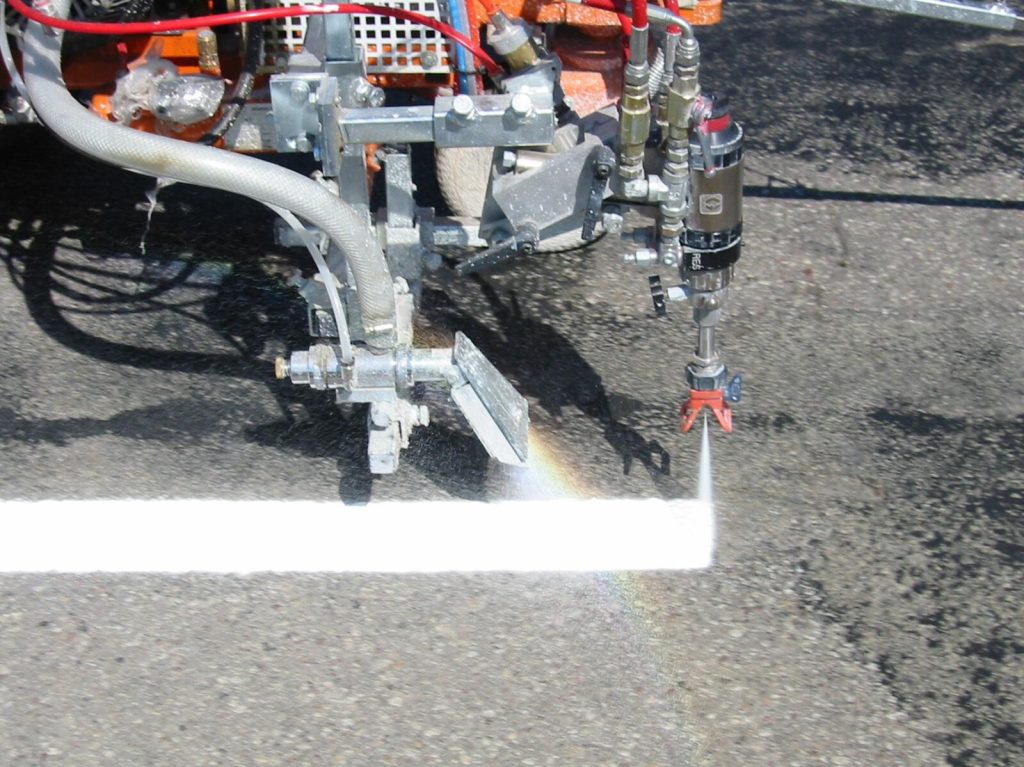
MMA Line Marking
Shepherd and Sons Contracting LTD
Contact Us
Committed to safety and professionalism, our team adheres to stringent industry standards to ensure the protection of personnel, property, and the environment.
Trust Shepherd & Sons to be your partner in achieving success, reliability, and excellence in concrete cutting.