
Service
Silicone Sealing
Shepherd and Sons Contracting LTD
Silicone Sealing Services
Whether you need a flawless sanitary silicone finish around a bath, basin or shower tray, full internal silicone work on a new build housing development, or commercial fit-out and movement joint silicone, Shepherd and Sons has the team and the technical knowledge to deliver it to spec.
As proud members of the Extruded Sealant Association and a sole BAA PLC contractor since 2008, we apply the same preparation discipline to silicone sealing that we apply to airfield and highway joint work. In our experience, the silicone jobs that fail inside 12 months almost always come back to three things: rushed substrate preparation, the wrong silicone chemistry for the surface, or a bead sized incorrectly for the joint. We catch those problems before the gun touches the joint.
Across the past 40+ years of trading, we have completed silicone sealing packages on new build housing, high-end residential bathrooms, commercial fit-outs, healthcare facilities and industrial builds across Kent and the wider South East. Every bead we install is treated as a system — substrate, primer where required, backer, sealant, tooling, cure — not just a tube of silicone.
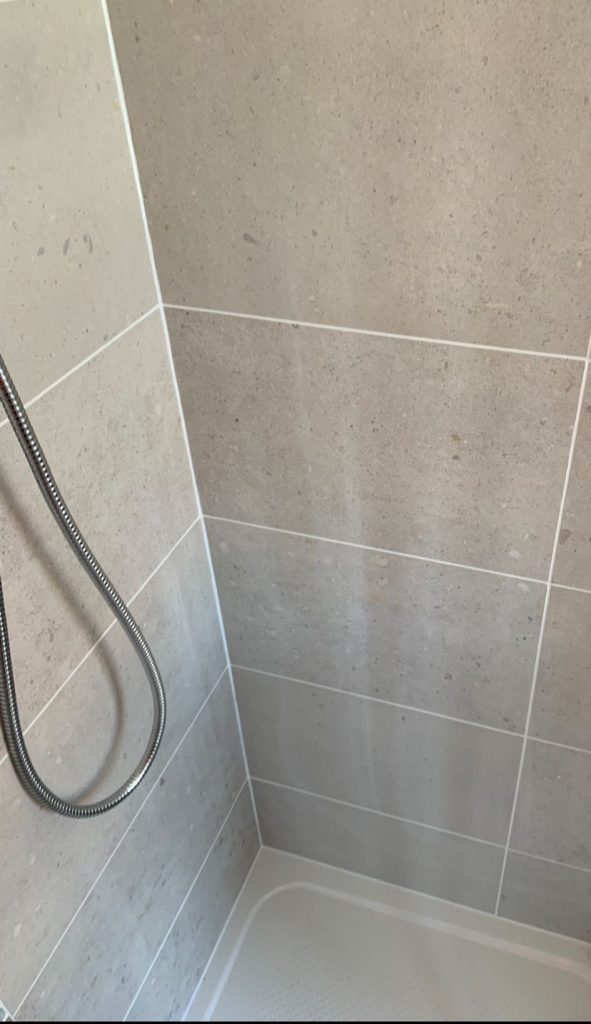
What we do
THE STANDARDS WE WORK TO
Kent’s Specialist Silicone Sealing Contractors
Silicone sealing in residential, new build, commercial and industrial environments must meet the relevant British and European standards depending on application. We work to:
- BS EN ISO 11600: Classification and requirements for building construction sealants
- BS 6213: Selection of construction sealants (Code of Practice)
- BS 8000-16: Workmanship on building sites, application of sealants
- NHBC Standards: Chapter 6.9 for new build wet-area silicone work
- BS EN 15651: Sealants for non-structural use in joints in buildings
- ASFP TGD 19: Fire-rated sealant systems for compartmentation
In our experience, specifying the wrong silicone chemistry is one of the most common reasons silicone seals fail within 12 months of completion. We have been called back to remediate this on more than 80 residential and commercial projects across Kent in the last five years, almost always work originally carried out by general handymen and tilers rather than specialist sealant contractors.
WET AREA & INTERNAL SILICONE SEALING
Wet area silicone sealing is one of the most visible finishes in any building. A poorly applied bead around a bath, basin, or shower tray is the first thing a homeowner, site manager, or NHBC inspector notices, and it is the first thing to fail if the wrong product or technique is used. Water sits against silicone in bathrooms more than anywhere else in a building, and that constant exposure is what separates a 12-month finish from a 10-year finish.
Internal silicone in wet areas must resist mould growth, withstand daily cleaning chemicals, and stay bonded to mixed substrates including acrylic, ceramic, natural stone, and powder-coated steel. A properly tooled sanitary-grade silicone bead creates a watertight, hygienic seal that holds its line and its colour for the lifetime of the bathroom.
Sanitary silicone sealing requires a different level of finish precision compared to general construction mastic work. The bead must be sized correctly to the joint, tooled in a single pass, and applied to substrates that are dry, sound, clean and free from frost and dust. Skip any of those preparation steps and the silicone will lift inside a year.
In our experience, neutral cure sanitary silicone works better than acetoxy-cure sanitary silicone on natural stone vanities and stone-effect baths because acetoxy releases acetic acid as it cures, which etches polished stone surfaces and can cause permanent staining on marble, travertine, and limestone. We have rectified this on more than 40 high-end residential bathrooms across Kent in the last three years, almost always work originally carried out by a general handyman rather than a specialist sealant contractor.
The main silicone categories we install across new build housing and commercial fit-outs are:
- Sanitary-grade neutral cure silicone — for baths, basins, shower trays, and wet rooms
- Sanitary-grade acetoxy silicone — for ceramic and glazed substrates where stone is not involved
- Low-modulus silicone — for movement joints around frames, reveals, and tray surrounds
- Fire-rated silicone — for compartmentation in multi-occupancy housing
- Anti-pick silicone — for healthcare and safeguarding environments
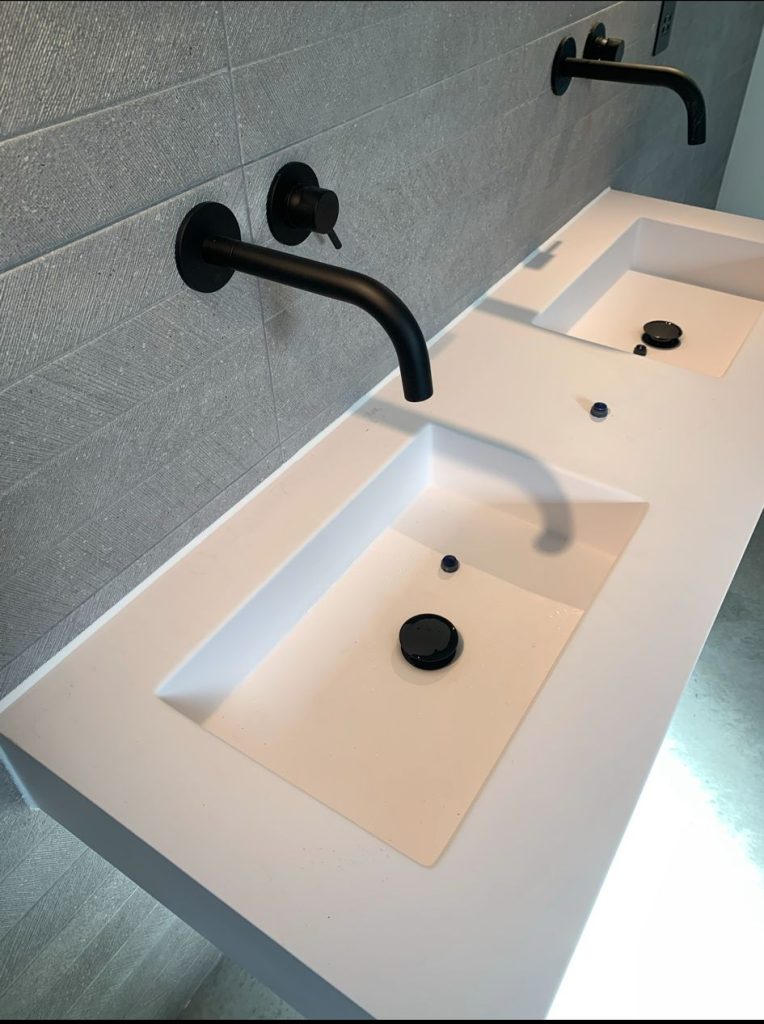
Shepherd and Sons Contracting LTD
Sanitary Silicone
Purpose: To create a watertight, mould-resistant seal around baths, basins, shower trays, wet rooms, and kitchen worktops. Sanitary silicone is the most visible bead in any building, so it has to look right on day one and still look right ten years later.
Design: Neutral cure or acetoxy cure depending on substrate, always containing a fungicide additive to resist mould growth in constantly wet environments. Bead profile sized to the joint width, tooled to a clean concave finish in a single pass for optimal stress distribution and a uniform appearance.
On Site: Substrates must be dry, sound, clean and free from frost and dust before application. Existing failed silicone is cut out fully and the substrate cleaned back to bare material — never overlaid. In our experience, the single biggest cause of premature sanitary silicone failure is a previous installer leaving a thin film of old silicone in place under a fresh bead, which prevents proper adhesion and lifts inside six months.
Shepherd and Sons Contracting LTD
Internal Movement & Frame Silicone
Purpose: To seal internal movement joints around window and door frames, skirting and trim junctions, plasterboard-to-substrate interfaces, and reveals where two materials meet. These joints absorb building movement caused by thermal change, settlement, and structural deflection.
Design: Low-modulus neutral cure silicone for joints with measurable movement, sized to a depth-to-width ratio of 1:2 with a backer rod where joint depth exceeds 6mm. Bond breaker tape is used where three-sided adhesion would otherwise occur and cause the bead to tear at the base under movement.
On Site: Internal movement joints are the silent failure point on most new build interiors — we estimate around half of the internal silicone remediation we get called to across Kent traces back to a missed backer rod, an oversized bead, or three-sided adhesion at the joint base. Used correctly with proper backing and tooling, a low-modulus internal silicone joint will outlast the decoration around it.
Shepherd and Sons Contracting LTD
OUR SILICONE SEALING WORK
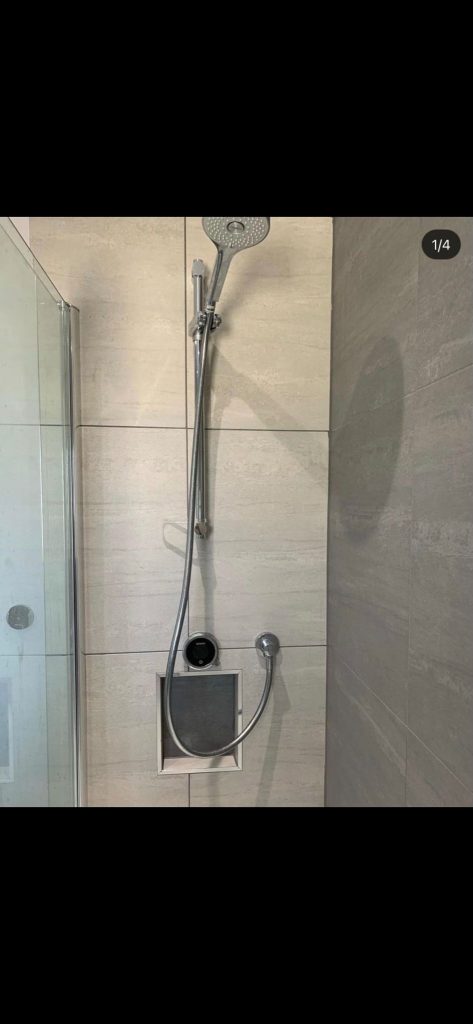
SHOWER ENCLOSURE SEAL
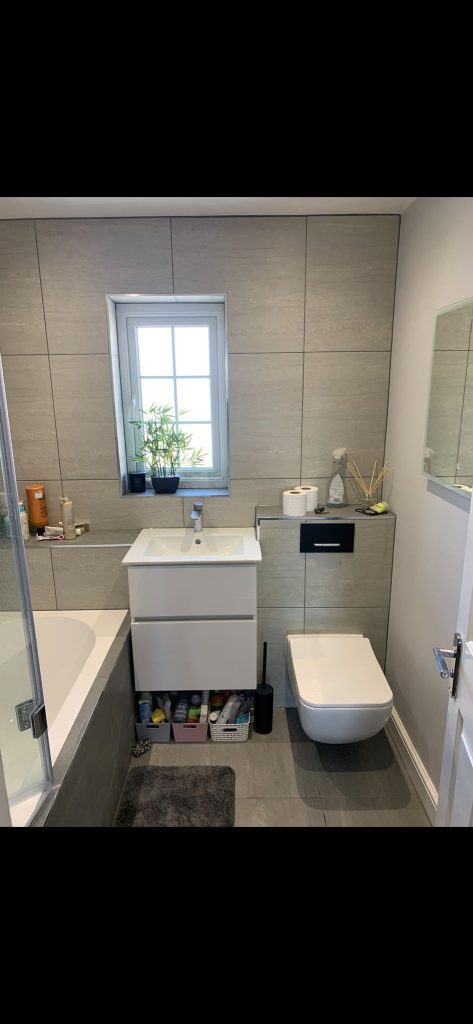
FULL BATHROOM RESEAL
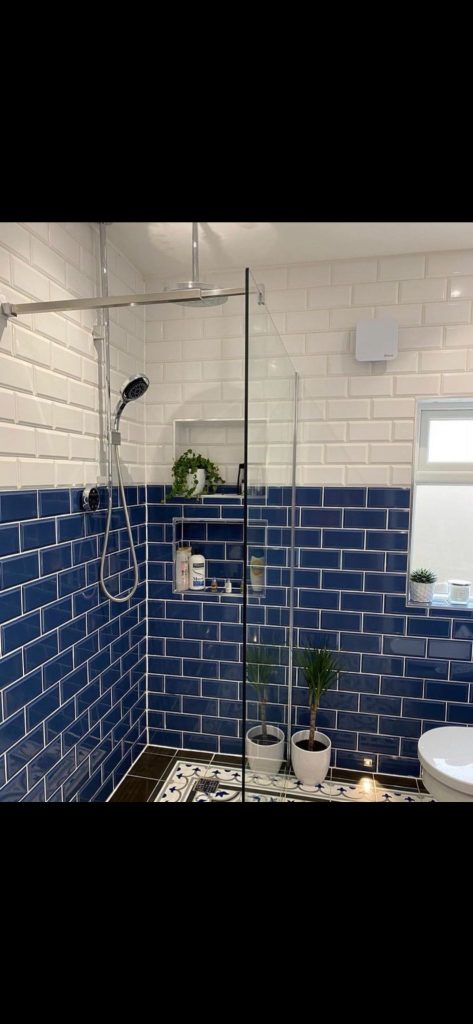
SHOWER ENCLOSURE SEAL
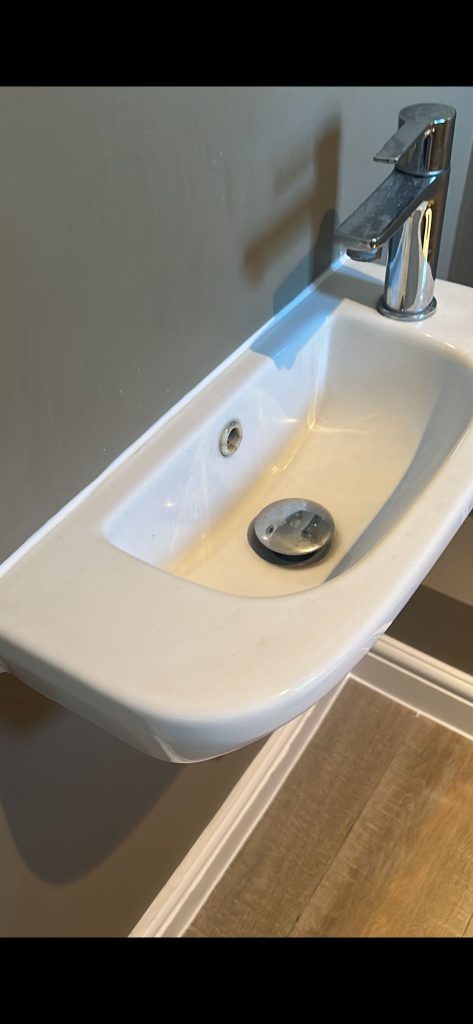
BASIN & VANITY SEAL
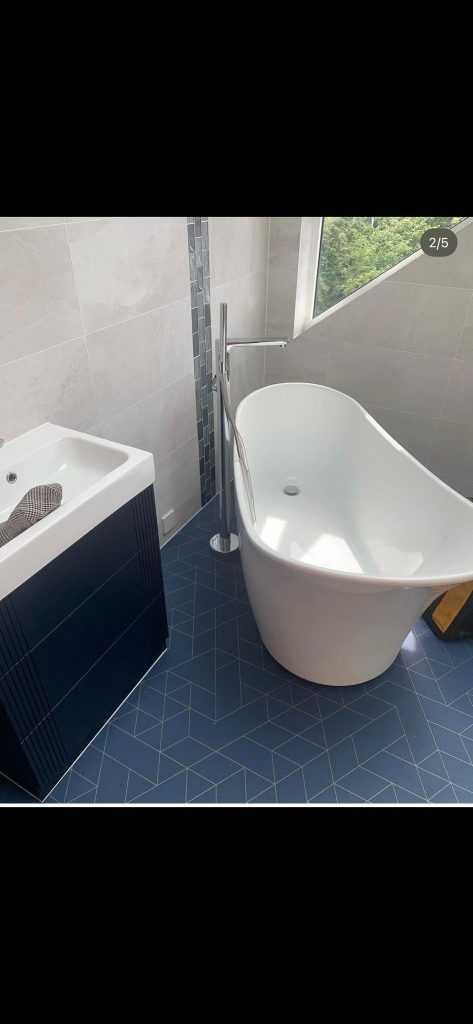
FREESTANDING BATH SEAL
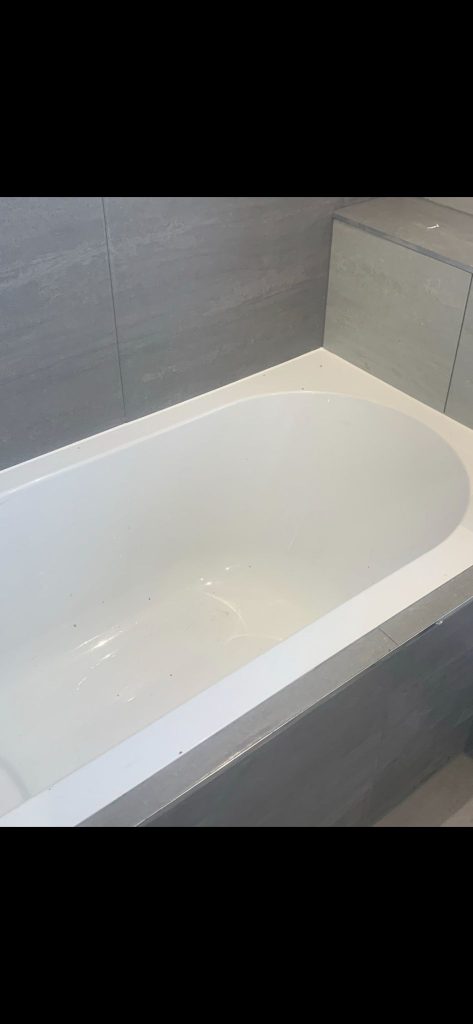
BATH SURROUND RESEAL
Shepherd and Sons Contracting LTD
Contact Us
Committed to safety and professionalism, our team adheres to stringent industry standards to ensure the protection of personnel, property, and the environment.
Trust Shepherd & Sons to be your partner in achieving success, reliability, and excellence in silicone sealing services.