
What is high performance joint sealing?
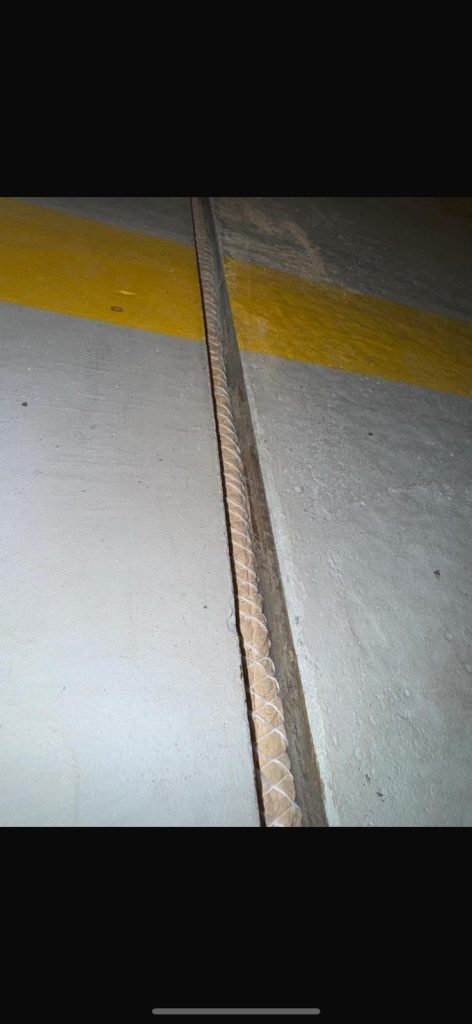
So, What is High Performance Joint Sealing? High performance joint sealing is the specification of joint sealants engineered to handle demanding service conditions that would cause standard sealants to fail. That means fuel and chemical exposure, jet blast, heavy plant loading, extreme temperature ranges, high movement accommodation, and rapid return-to-service requirements. It’s the category of sealing used on airfield runways, fuelling aprons, port bunker areas, oil terminals, motorway joints, and any pavement where standard joint sealants won’t deliver a 10-year service life. At Shepherd and Sons, we’ve been specifying and installing high performance joint sealants across UK airfields, ports and highways for more than 40 years. We’re members of the Extruded Sealant Association and we work to the BS EN 14188 standards that define the high performance category. We cover what makes a sealant “high performance” in technical terms, when it’s the right specification, the products that meet the standard, and the application points that matter. What separates high performance from standard joint sealing The phrase “high performance” gets used loosely in marketing. In specification terms, it has a clear meaning. A high performance joint sealant is one that meets the upper-tier requirements of BS EN 14188-1 (hot applied) or BS EN 14188-2 (cold applied), with proven resistance to one or more of the following: fuel and chemical exposure, jet blast, heavy traffic loading, large movement accommodation, or extreme service temperature. Standard joint sealing handles water and grit ingress on lightly trafficked surfaces. High performance joint sealing does the same job under conditions that would destroy a standard product within months. Four characteristics define the category: Chemical resistance. Tested against aviation fuel, kerosene, Skydrol, glycols, diesel, petrol, hydraulic oil and de-icing salts under BS EN 14188-2 Test Fuel I and Test Fuel II protocols, with no adhesion or cohesion failure. Movement accommodation. Typically 25% to 35% under BS 8449. That allows a 20mm joint to flex up to 7mm in each direction without failure. Service temperature range. Operates across -40°C to +70°C without hardening in cold weather or softening in heat. Standard sealants narrow significantly outside that range. Jet blast and high-stress resistance. Sealants used on aircraft fuelling stands and aprons are tested under US Federal Specification SS-S-200E for jet blast resistance. Standard sealants don’t carry this certification. When high performance joint sealing is the right specification There are five environments where high performance is genuinely required, not just preferred. Airfield pavements. Runways, taxiways, aprons, hard standings. The hot applied 9525 specification and high performance cold applied polysulfide products like Thioflex 555 are standard here. The combination of fuel exposure, jet blast, aircraft tyre loading and CAA compliance requirements rules out anything lower. Fuel and oil terminals. Anywhere kerosene, diesel, Jet A-1, hydraulic fluid or petroleum products are routinely handled. Standard hot applied sealants like N1 will soften and degrade under continuous fuel contact. High performance polysulfide is the only sensible option. Heavy port and dockside areas. Bunker fuel handling zones, container yards, heavy plant operating areas. The combination of point loading, chemical exposure and marine atmosphere demands one-part polyurethane sealants like Sikaflex or Sea-Kar, or two-part polysulfide systems. Motorway and trunk road joints in fuelling and HGV areas. Motorway service areas, HGV refuelling stations, weighbridges and toll plazas. Even on otherwise standard highway pavement, the localised fuel exposure pushes joints into high performance territory. Specialist industrial floors. Pharmaceutical and chemical manufacturing facilities, certain food-grade production areas, and clean room environments where chemical wash-down regimes attack standard sealants. In our experience, high performance polysulfide sealants like Thioflex 555 work better than standard hot applied N1 on fuel-exposed joints because they maintain 35% movement accommodation across the full service temperature range and show no adhesion or cohesion failure under Test Fuel I and II exposure, where N1 will soften and pick up grit within two seasons. On a fuelling apron at a UK regional airport, that difference is the gap between a 10-year sealed joint and one that needs replacing in three. The products that qualify as high performance There’s no single high performance product. The category includes both hot applied and cold applied systems, each suited to different environments. Hot applied high performance sealants. 9525 is the high performance hot applied specification for airfield pavement joints, meeting the elevated standards required by aviation authorities. N2 is BS EN 14188-1 Type N2, fuel-resistant, used in fuelling areas and aircraft stands where heat application is permitted. Both are pumped hot at 180 to 200°C through a melter, bonding aggressively to clean concrete and asphalt. Cold applied high performance sealants. Thioflex 555 is the workhorse polysulfide product, BS EN 14188-2 Class B/C/D certified, with 35% movement accommodation and full chemical resistance to aviation fuels, hydraulic fluid, de-icers and diesel. The two-part cold applied system is the high performance specification across most fuel-exposed concrete pavement work. One-part cold applied systems including Sikaflex and Sea-Kar are used widely in port environments where ease of application matters. Specialist one-part systems for port and marine work. Polyurethane and silicone-based one-part products offer high chemical resistance and easier site logistics where two-part mixing isn’t practical. The choice between these depends on substrate, exposure, return-to-service requirement, and whether a hot melter can be used on site. There isn’t a single “best” high performance product. There’s the right product for the specific application. What proper high performance joint sealing application looks like The performance of any high performance sealant depends on installation discipline. The ESA Code of Practice is explicit about the steps required. We’ve found that 80% of high performance sealant failures we’re called in to repair trace back to installation shortcuts, not product limitations. Joint slot preparation. Slots must be sound dense concrete or asphalt. Defective faces are widened until you reach sound material. Grit blasting is the manufacturer-specified preparation method for both new and existing concrete, followed by an oil-free compressed air blow-out. Width-to-depth ratio. High performance polysulfide sealants like Thioflex 555 require 1:1 to 1.5:1 width-to-depth ratios with a minimum 10mm sealant depth. A typical
Thioflex 555 Installers
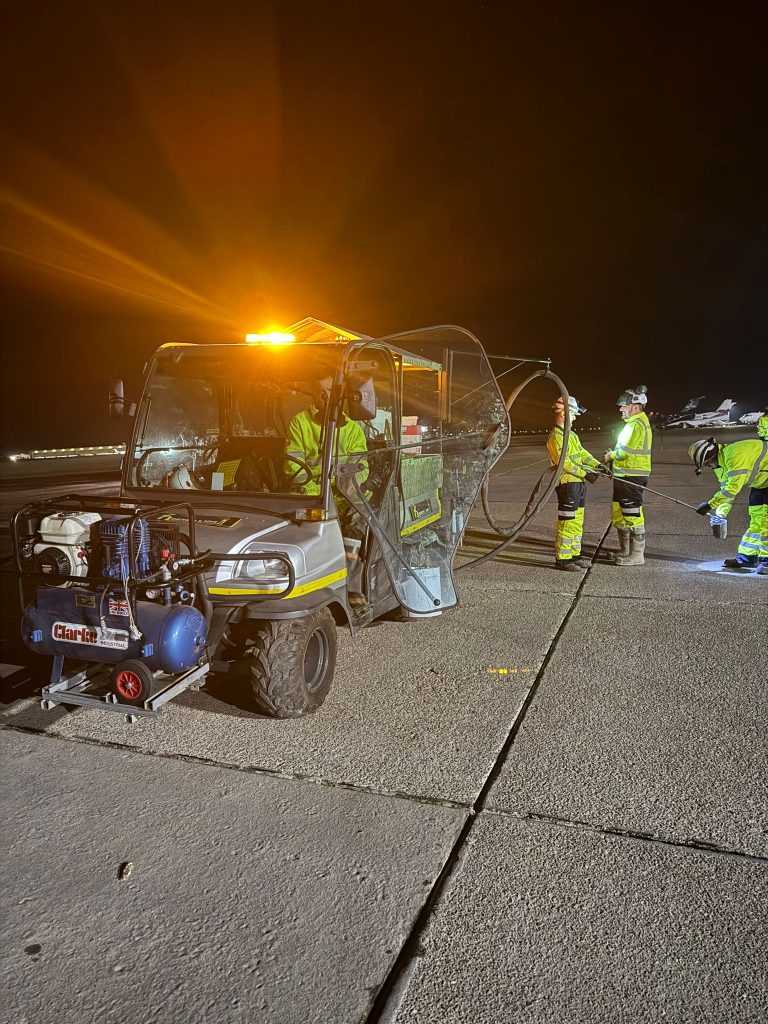
Professional Thioflex 555 Installers If you’re looking for Thioflex 555 installers, the most important thing to understand is that Thioflex 555 is a specialist cold-applied polysulfide sealant that requires specialist application. It cannot be applied properly by a general joint sealing contractor. The product needs metered mixing equipment, primer-to-sealant timing controls, and operatives who understand polysulfide chemistry, fuel-resistance specifications, and the BS EN 14188-2 standards it’s certified to. Get the installer wrong and the sealant will fail inside two years, regardless of how good the product is. At Shepherd and Sons, we’ve been installing Thioflex 555 across UK airfields, fuel terminals and concrete pavements for more than 40 years. We’re members of the Extruded Sealant Association, and our operatives are trained and experienced in both Machine Grade and Hand Grade application. We explain what proper Thioflex 555 installation looks like, what to ask any installer before you appoint them, and the points that determine whether the seal lasts a decade or fails in eighteen months. Why Thioflex 555 needs specialist installers Thioflex 555 is a two-component, polysulfide cold applied sealant manufactured by Fosroc. It’s specified for concrete pavements where fuel spillage is a real risk, including aircraft fuelling aprons, oil terminals, garage forecourts, runway hard standings, and aircraft parking and cargo areas. The product carries CE and UKCA marking and complies with BS EN 14188-2, BS 5212 Part 1, BS 8449, and US Federal Specification SS-S-200E for jet blast resistance. That specification level is the reason it needs specialist installers. The chemistry is unforgiving on three points in particular. Pot life is short. Once mixed, Machine Grade material cannot sit in the hose for more than five minutes at 20°C, or three minutes at 40°C, before it starts to gel. An installer without proper equipment and practiced workflow will waste material and leave gaps in the joint. The priming window is narrow. Fosroc Primer 7E must be applied to the joint face, and the sealant has to go in between 20 minutes and 4 hours after priming. Beyond 24 hours, the cured primer has to be physically removed and the joint re-primed. Installers who don’t programme around this window end up cutting corners. The mix ratio has to be right. It’s 1:1 by volume base to hardener for both Machine and Hand Grade. The ESA Code of Practice requires mix ratio checks at the start of every shift and when barrels are changed. A contractor who isn’t doing those checks isn’t installing a Thioflex 555 system. They’re just pouring liquid into a joint and hoping it cures. What competent Thioflex 555 installation actually involves We’ve installed thousands of linear metres of Thioflex 555 across UK projects in the past five years alone. Every successful installation follows the same six-step process. Skipping any step is where failures start. 1. Joint slot formation and preparation. The slot must be dry, sound, clean and free from frost. Defective or contaminated slot faces are widened until you reach sound concrete. Grit blasting is the manufacturer-specified preparation method for both new and existing concrete substrates, followed by an oil-free compressed air blow-out to remove dust and laitance. We’ve found that installers who skip the grit blast and rely on wire-brushing alone are the ones who get warranty calls. 2. Backer rod installation. A heat-resistant Expandafoam cord is caulked tightly into the base of the slot. This controls sealant depth, creates the correct width-to-depth ratio (1:1 to 1.5:1 for Thioflex 555), and prevents three-sided adhesion, which is the single most common cause of cohesive failure in cold applied sealants. 3. Priming with Fosroc Primer 7E. The hardener tin is emptied into the base, shaken for two minutes, and applied to the joint face with a clean dry brush or by spraying. Pooling at the bottom of the joint is avoided because it compromises sealant performance. Mixed Primer 7E has to be used within one working day. Splitting packs is not permitted. 4. Mixing. Machine Grade goes through a metered 1:1 volume mixing machine. Mix ratio checks are documented at the start of each shift. Hand Grade is mixed for three minutes with a 300 to 500 rpm slow-speed drill and a Fosroc Sealant Mixing Paddle, scraped down, then mixed for a further two minutes. Air must not be mixed in. Material at the bottom of the tin must be incorporated, or the sealant won’t cure properly. 5. Application. The mixed sealant is applied so the finished level sits 5 to 8mm below the pavement surface. For joints wider than 25mm, the recess increases to 7mm. In cold weather, recess depth increases to 10mm to allow for thermal expansion. Tolerance is ±2mm, measured from the lowest point of the texture if the surface is textured. 6. Cure protection. The joint is protected from traffic until cure. Machine Grade returns to service in 30 minutes at 20°C, 60 minutes at 10°C, and 90 minutes at 5°C. Hand Grade takes four hours at 20°C, twelve hours at 10°C, and 36 hours at 5°C. Putting traffic on the joint before cure is one of the most common installation failures we’re called in to repair. What to ask a Thioflex 555 installer before appointing them Five questions tell you whether an installer is competent or out of their depth. Are they ESA members? The Extruded Sealant Association sets the UK Code of Practice for joint sealing. Members commit to following it. There aren’t many ESA-member contractors in the UK, and even fewer based in Kent and the South East. Membership is a clear quality signal because the bar to entry is genuine specialist competence. Do they have metered mixing equipment for Machine Grade? Without a 1:1 volume metered mixing machine, an installer cannot apply Machine Grade Thioflex 555 properly. They’ll be limited to Hand Grade work, which is fine for small jobs but not for fast-return-to-service runway, apron or fuel terminal applications. Can they demonstrate primer-to-sealant timing control? Ask how they programme around the 20-minute to 4-hour priming window. A
What is cold applied joint sealing?
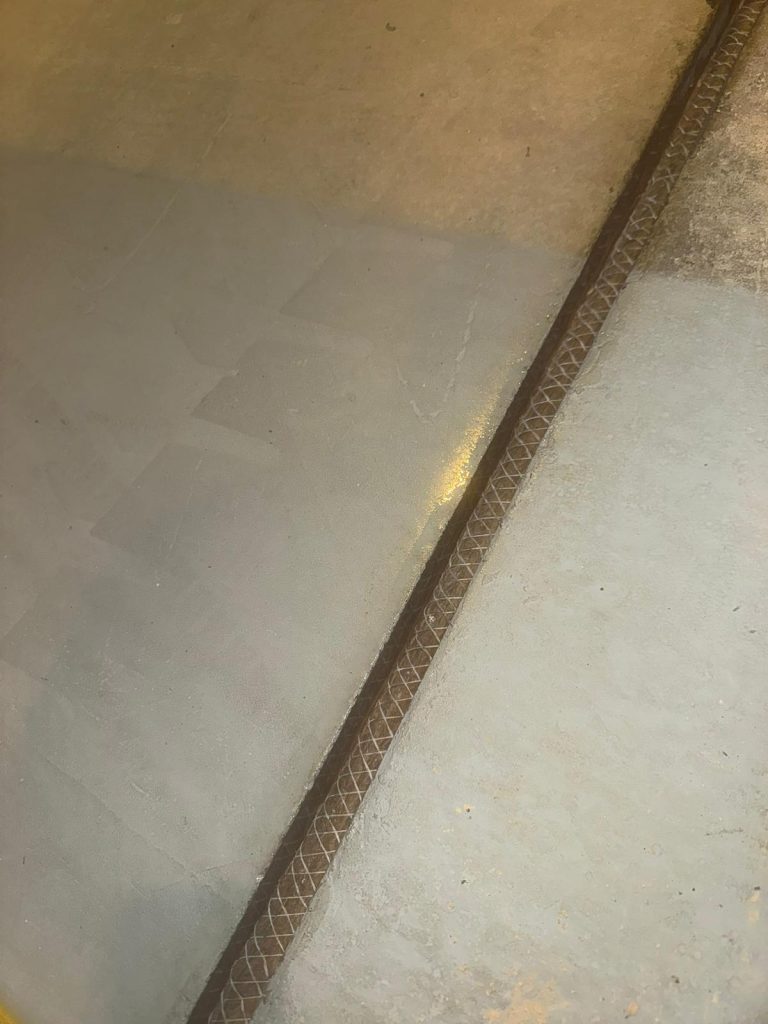
So, What is Cold Applied Joint Sealing? Cold applied joint sealing is the process of sealing joints in concrete or asphalt pavements using a chemically-curing sealant that cures at ambient temperature, without the need for heating. The sealant is mixed on site (usually a two-part base and hardener) and either machine-extruded or hand-poured into the prepared joint slot. It cures over hours rather than minutes, and it’s the standard specification for any environment where a hot melter can’t be used. That includes warehouses, multi-storey car parks, port buildings, fuel-spillage areas, and any indoor or fire-restricted site. At Shepherd and Sons, we’ve delivered cold applied joint sealing across more than 200 projects in the past six years, ranging from chilled distribution warehouses in Kent to oil terminal hard standings and aircraft fuelling aprons. We’re members of the Extruded Sealant Association, and we work to the ESA Code of Practice and BS EN 14188-2. We cover what cold applied joint sealing actually is, when to specify it over hot applied, the variants you need to know about, and the application points that determine whether it lasts ten years or fails in two. How cold applied joint sealing differs from hot applied The fundamental difference is curing chemistry. Hot applied sealants are bituminous or rubber-modified compounds melted at 180 to 200°C and poured into the joint, where they cool and solidify. Cold applied sealants are polymer-based products that cure through a chemical reaction at ambient temperature, typically polysulfide, polyurethane, or silicone-based. That difference drives everything else. Hot applied sealants cure in minutes and can take traffic the same shift. Cold applied sealants cure in hours, sometimes days, depending on grade and temperature. Hot applied requires a propane-fired melter on site. Cold applied needs a metered mixing machine for two-part products, or just hand-mixing for smaller jobs. Hot applied bonds aggressively to clean concrete and asphalt. Cold applied usually requires a primer, and the priming window is narrow. Cold applied also opens up applications hot applied can’t reach. You can’t run a propane melter inside a chilled warehouse, a fuel storage facility, or a pharmaceutical clean room. Cold applied is the only sensible specification for those environments. When cold applied joint sealing is the right call There are five scenarios where cold applied is genuinely the right specification, not just the fallback option. Fuel and chemical exposure. This is the biggest one. Cold applied polysulfide sealants like Thioflex 555 are tested under BS EN 14188-2 to handle aviation fuel, kerosene, Skydrol hydraulic fluid, glycols, diesel, petrol and de-icing salts without adhesion or cohesion failure. Hot applied N1 doesn’t handle that. Hot applied N2 has limited fuel resistance. For aircraft fuelling aprons, oil terminals and HGV forecourts, cold applied is the spec. Indoor environments. Warehouses, supermarkets, hospitals, food-grade facilities, multi-storey car parks. Anywhere a propane melter would be a fire or air-quality issue. Fire-restricted sites. Some refinery, port and aviation works prohibit naked-flame plant on site. Cold applied is the only option. Fresh or sensitive concrete. On newly poured concrete that hasn’t fully cured, the heat from a hot applied pour can stress the slab. Cold applied avoids that risk entirely. Detail and remedial work. Hand applied cold sealants poured from a Fosroc ‘G’ Gun or similar are the right tool for awkward geometry, isolated joint repairs, or areas where mobilising a melter isn’t economic. In our experience, cold applied two-part polysulfide works better than hot applied N1 on aircraft fuelling stands because the polysulfide chemistry maintains its 35% movement accommodation factor across the full -40°C to +70°C service range and resists Jet A-1 spillage, where N1 will soften and pick up grit. On a dedicated fuelling apron at a UK regional airport, that difference is the gap between a 10-year sealed joint and one that needs replacing in three. The variants: two-part, one-part, and hand applied Cold applied joint sealing isn’t one product. It’s a category, and the variants matter. Two-part cold applied systems. The workhorse for pavement joints. A separate base and hardener are combined through a metered 1:1 volume mixing machine and extruded into the joint. Polysulfide chemistry (Thioflex 555) is the most common spec for fuel-resistant work. Polyurethane variants are used where higher modulus is needed. The two-part cold applied system is the standard for high-performance, BS EN 14188-2 Class B/C/D applications. One-part cold applied systems. Pre-mixed sealants supplied ready to use, typically silicone or moisture-cure polyurethane. Faster to deploy because there’s no on-site mixing, but generally lower movement accommodation and shorter shelf life once opened. The one-part cold applied system is widely used in port and dock environments where Sikaflex and Sea-Kar products are specified for their chemical resistance and ease of application. Hand applied cold sealants. Smaller pack sizes (typically 5-litre tins), mixed with a slow-speed drill and paddle, then poured directly or applied with a ‘G’ Gun. The right approach for joints under 15mm wide, detail work, and isolated repair sections. What proper application actually looks like Cold applied sealants are forgiving on chemistry but unforgiving on preparation. The ESA Code of Practice and the manufacturer technical data sheets are explicit about what’s required. We’ve seen the consequences of skipping any of these steps. Joint slot preparation. Slots must be sound dense concrete or asphalt, dry, clean and free from frost. Defective or contaminated slot faces should be widened. Grit blasting is the manufacturer-recommended method for both new and existing concrete, followed by oil-free compressed air blow-out to remove dust and laitance. Backer rod. A heat-resistant Expandafoam cord or equivalent must be caulked tightly into the base of the slot. This controls sealant depth, prevents three-sided adhesion, and stops the sealant flowing down into the joint cavity. Three-sided adhesion is the single most common cause of premature cohesive failure in cold applied work. Priming. Most cold applied systems require a primer (Fosroc Primer 7E for Thioflex 555 on concrete; Nitoflor FC130 followed by Primer 7E on asphalt). Priming windows are tight. Sealant must be applied between 20
What is Thioflex 555?
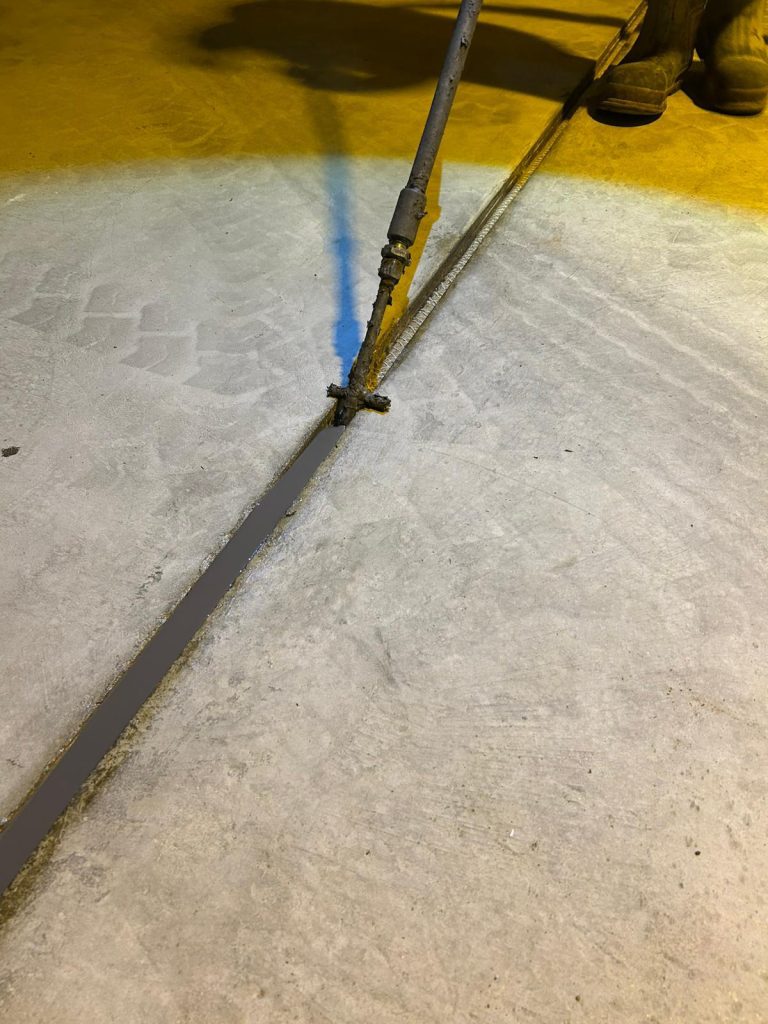
So, What is Thioflex 555? Thioflex 555 is a two-component, polysulfide cold-applied joint sealant manufactured by Fosroc, used to seal expansion and contraction joints in concrete pavements. It’s the go-to specification for areas where fuel spillage is a risk, including aircraft fuelling areas, oil terminals, garage forecourts, runway hard standings, and aircraft parking and cargo aprons. Its main purpose is to keep water, fuel, hydraulic fluid, and de-icing chemicals out of pavement joints while accommodating up to 35% movement. At Shepherd and Sons, we apply Thioflex 555 across our aviation, highway and public sector work, and we’ve installed thousands of linear metres of it over the past five years. This article covers what it is in technical terms, when to specify it, how it performs in real-world conditions, and the application points that determine whether it lasts a decade or fails inside two years. What Thioflex 555 actually is Thioflex 555 is classified under BS EN 14188-2 as a two-component (M), self-levelling (sl) cold applied joint sealant, certified to Classes B, C and D. Translated: it’s a chemical-cure sealant supplied in two parts (a base and a hardener) that you mix on site, and it’s tested for resistance to fuel, de-icing salts, and aggressive liquid chemicals. The polysulfide chemistry is what sets it apart. Polysulfides give the sealant high stress relaxation, meaning the material absorbs joint movement without transferring stress to the bond face. That’s why it holds up under temperature swings from -40°C to +70°C without hardening in the cold or going soft in the heat. Its movement accommodation factor is 35% under BS 8449, which is the maximum joint expansion-and-contraction range it can handle as a percentage of joint width. It’s available in two grades: Machine Grade for fast-return-to-service applications using a metered mixing machine, and Hand Grade for smaller jobs and detailed work using a slow-speed drill and paddle. When to specify Thioflex 555 The product is built for one specific category of work: concrete pavements where chemical exposure is a real risk. That includes: For an airfield apron handling Jet A-1 fuel, kerosene, Skydrol hydraulic fluid, and glycol-based de-icers, there are very few cold-applied sealants that hold up. Thioflex 555 is one of them. The Test Fuel I and Test Fuel II results in the technical datasheet show no adhesion or cohesion failure after immersion, which is the benchmark that matters when an aircraft sits on a stand for hours dripping fuel onto the joint. It’s not the right product for everything, though. For industrial floor joints inside warehouses, Fosroc themselves recommend higher-modulus sealants like Nitoseal MS300 or PU800. For motorway carriageway joints with no fuel exposure, hot-applied N1 is faster, more rigid and cheaper. In our experience, Thioflex 555 Machine Grade works better than hot-applied N2 on civilian aircraft fuelling stands because the cold-applied chemistry doesn’t risk softening adjacent fresh concrete, and the 30-minute return-to-service time at 35°C ambient is faster than waiting for a hot melter to reach pour temperature on a remote apron. On a Stansted-type project, that difference is real money. Performance specification: the numbers that matter Three numbers tell you most of what a specifier needs to know. Movement accommodation: 35%. A 20mm-wide joint can flex roughly 7mm in either direction without the sealant failing. That covers everything except severe expansion joints in heavy diurnal-temperature environments. Return to service times. Machine Grade is genuinely fast: 10 minutes at 35°C, 30 minutes at 20°C, 90 minutes at 5°C. Hand Grade is slower: 60 minutes at 35°C up to 36 hours at 5°C. This is the single biggest factor in choosing between grades. Chemical resistance. Tested against and resistant to aviation fuels, Skydrol, kerosene, glycols, petrol, diesel, hydraulic oil, potassium formate and acetate de-icers, and mono-ethylene glycol. No failure across the full BS EN 14188-2 chemical exposure regime. Other specs worth knowing: tensile strength 0.34 MPa, elongation at break 350%, Shore A hardness of 10 (soft and resilient), elastic recovery 91.7%, flash point above 65°C, and a service temperature range of -40 to +70°C. Resistance to flame is a pass under BS 5212-1. Joint dimensions: the spec that gets ignored Fosroc specifies a width-to-depth ratio of 1:1 to 1.5:1 with a minimum 10mm depth of sealant. A typical contraction joint is 15mm wide x 13mm deep. A typical expansion joint is 25mm wide x 20mm deep. The finished sealant level should be recessed 5 to 8mm below the pavement surface. We’ve found this is the spec that gets ignored most often by contractors quoting on Thioflex 555 work. They price for a thin bead of sealant on top of a backer rod, which looks fine on day one but fails inside a year because there isn’t enough material to absorb joint movement. The depth is not optional. It’s load-bearing. Application points that make or break the job Thioflex 555 is forgiving on chemistry but unforgiving on preparation. Six things determine whether the sealant lasts. Joint preparation. Slots must be dry, sound, clean, and free from dust and frost. Grit blasting is the manufacturer’s recommended method for both new and existing concrete, followed by an oil-free compressed air blow-out. We’ve found that contractors who skip the grit blast and go straight to wire-brushing are the same contractors who get warranty calls 18 months later. Backer rod. A heat-resistant Expandafoam cord must be caulked tightly into the base of the slot to control sealant depth and prevent three-sided adhesion. Three-sided adhesion is the most common cause of premature cohesive failure in cold-applied sealants. Priming with Fosroc Primer 7E. This is non-negotiable on concrete substrates. Empty the hardener into the base, mix for two minutes, and apply with a clean dry brush or by spraying. Avoid pooling. Sealant must be applied between 20 minutes and 4 hours after priming. Beyond 24 hours, the cured primer must be removed and the joint re-primed. We’ve turned down work where the timeline didn’t allow proper repriming windows because the failure risk is too high to take. Mixing. Machine
Joint Sealing Contractors in Kent
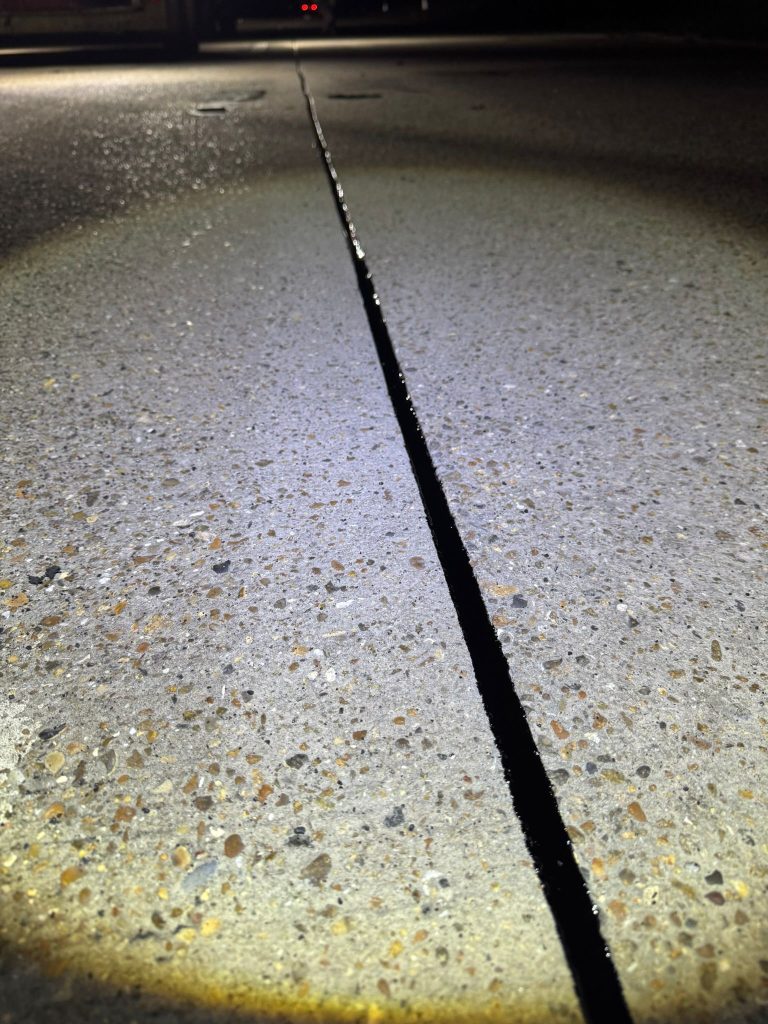
Professional Joint Sealing Contractors in Kent If you’re looking for joint sealing contractors in Kent, the short answer is this: the contractor matters more than the product. A correctly sealed joint will keep water and salt out of a pavement structure for ten years or more. A poorly sealed one will fail inside two winters. The cost of putting it right is usually three to four times the cost of getting it right the first time. At Shepherd and Sons, we’ve spent more than 40 years sealing joints on airfields, highways, ports and car parks across Kent and the wider South East. We’re based at Westerhill Farm just outside Maidstone. We’re also one of the few Kent-based contractors who hold full membership of the Extruded Sealant Association, the UK industry body that sets the standards for joint sealing on concrete and asphalt pavements. We walk through what good joint sealing in Kent actually looks like, when each type of sealant should be used, and the questions worth asking before you appoint anyone. What joint sealing actually does, and why it fails Joint sealing fills the gap between concrete slabs, or between asphalt and concrete, to stop water and contaminants getting underneath the surface. Once water gets in, it freezes, expands, lifts the slab edges, and the pavement starts to break up. On a Kent A-road that carries 20,000 vehicles a day, that deterioration can move from a hairline crack to a full surface failure inside one bad winter. In our experience, around 70% of the failed joints we’re asked to repair across Kent weren’t failed sealant. They were failed installation. Wrong sealant for the joint movement. Applied in the wrong weather window. Or poured into a joint that wasn’t properly cleaned and dried. The product manufacturers all publish clear application data. The issue is almost always whether the contractor followed it. Hot applied vs cold applied: which one your project needs This is the question we get asked most often, so it’s worth answering directly. Hot applied joint sealants are heated to around 180 to 200°C in a melter and poured into the joint. They cure in minutes, bond aggressively, and handle heavy traffic loads. They’re the standard choice on motorways, A-roads, and airfield runways. The N1 grade is the workhorse for highway joints. N2 is fuel-resistant and used in fuelling areas and aircraft stands. The 9525 grade is the high-performance specification for airfield pavement joints. Cold applied sealants are two-part chemical-cure systems poured at ambient temperature. They take longer to cure but they’re indispensable when you can’t get a hot melter on site. Typical use cases include warehouses, multi-storey car parks, port buildings, and any area with overhead restrictions or fire risk. In our experience, hot applied N1 works better than cold applied two-part sealant on heavily trafficked Kent highway joints. The bond cures inside an hour and the road can reopen the same shift. A cold applied system needs 24 hours minimum before traffic. On a B2110 overnight closure between Tonbridge and Hadlow, that difference is the gap between one closure and three. That said, for a chilled distribution warehouse in Aylesford, cold applied is the only sensible option. You can’t run a propane melter inside a food-grade environment. The right answer is project-specific, not a default. What proper joint sealing in Kent actually involves A correctly executed joint seal goes through six steps. Skipping any of them is where most failures start. The joint is cut or routed to the correct width-to-depth ratio, typically 2:1 for hot applied and 1:1 for cold applied. It’s then mechanically cleaned, usually with a wire brush attachment and high-pressure air lance, until the joint walls are dust-free. A backer rod is inserted to control depth and stop three-sided adhesion. This is the single most common cause of premature sealant failure. A primer is applied where the manufacturer’s data sheet specifies one. We’ve found this is the step contractors skip most often when they’re rushed. The sealant is then applied at the correct temperature and depth, tooled flush with the surface, and protected until cured. We’ve completed joint sealing on more than 180 projects across Kent, Surrey and Essex over the past five years alone. The projects that have come back to us as warranty issues, a single-figure number, have all traced back to one of those six steps being compromised. Usually because of weather pressure or a tight programme. When joint sealing should happen, and the Kent weather problem Most sealants have a minimum substrate temperature for application, typically 5°C and rising. In Kent, that gives you a realistic working window of roughly March through to early November for hot applied work. Cold applied systems have a tighter window. They need substrate temperatures above 10°C to cure properly. From working with clients across Kent’s highway and port sectors, we’ve found that sealing programmes booked between late March and June give the most reliable long-term results. Mid-summer bitumen runs hotter, which softens the asphalt joint walls and can compromise sealant bond. Late autumn work is technically possible but the cure window narrows. A single early frost on uncured sealant means you’re back the following spring redoing the work. If a contractor is happy to seal joints in February with substrate temperatures hovering around 3°C, that’s a warning sign. We turn that work down, and we’d recommend you do too. What to ask a joint sealing contractor before appointing them Three questions tell you most of what you need to know. First: are they ESA members? The Extruded Sealant Association sets the UK Code of Practice for joint sealing. Members commit to following it. Non-members are under no obligation to. There aren’t many ESA-member contractors based in Kent, which is part of why we get called in on specifications that other contractors can’t credibly meet. Second: which specific products do they recommend, and why? A contractor who can only quote on one sealant is selling you what they have in the van,