Shepherd and Sons Ltd
M20- SAW CUTTING & JOINT SEALING
Shepherd and Sons
Scope
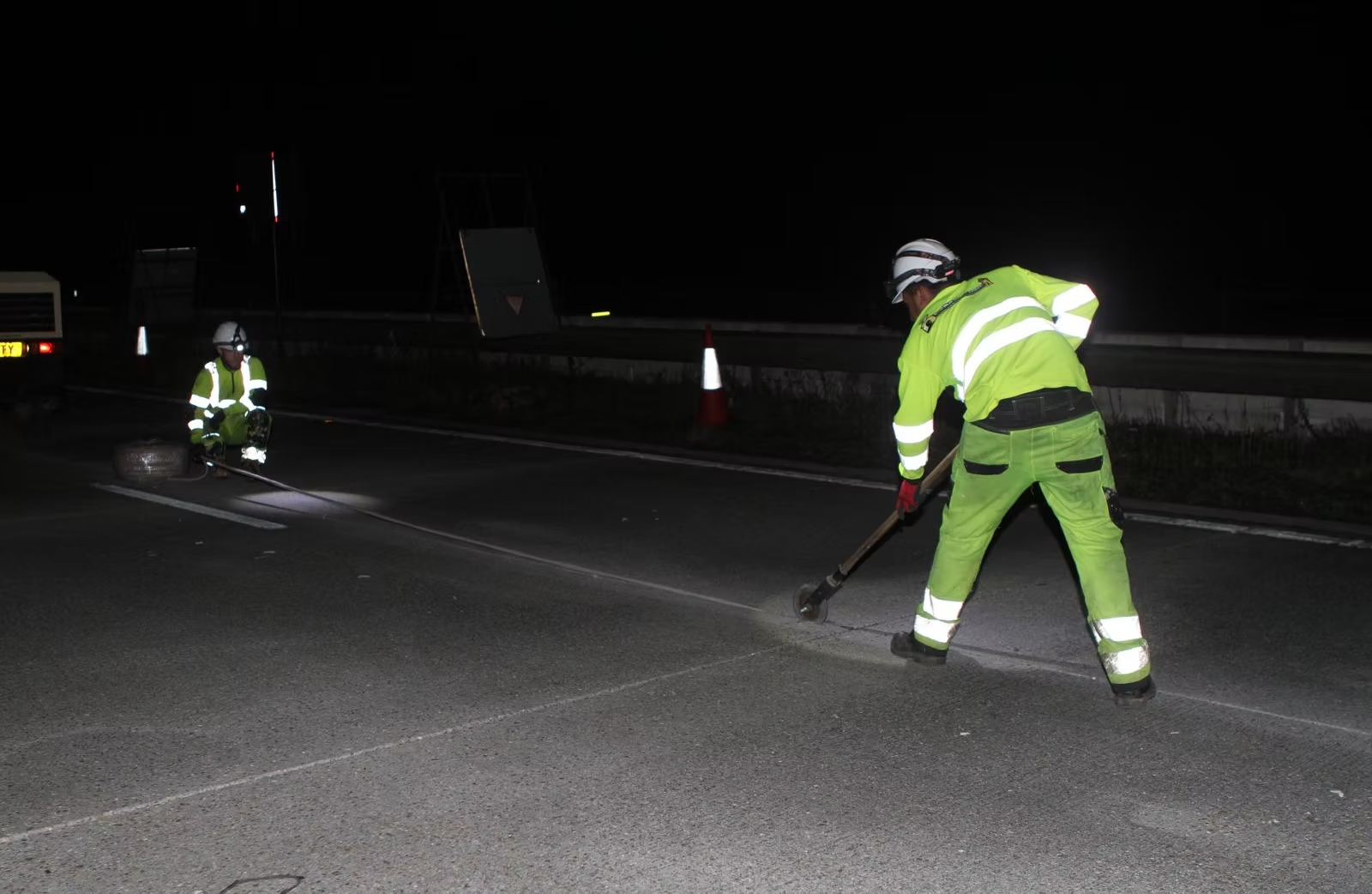
THE WORKS WERE CARRIED OUT ON THE M20, BETWEEN JUNCTIONS 8 AND 9 (COASTBOUND), COVERING APPROXIMATLRY 20 KILOMETERS OF CONCRETE CARRIGEWAY.
Shepherd and Sons
PROCESS
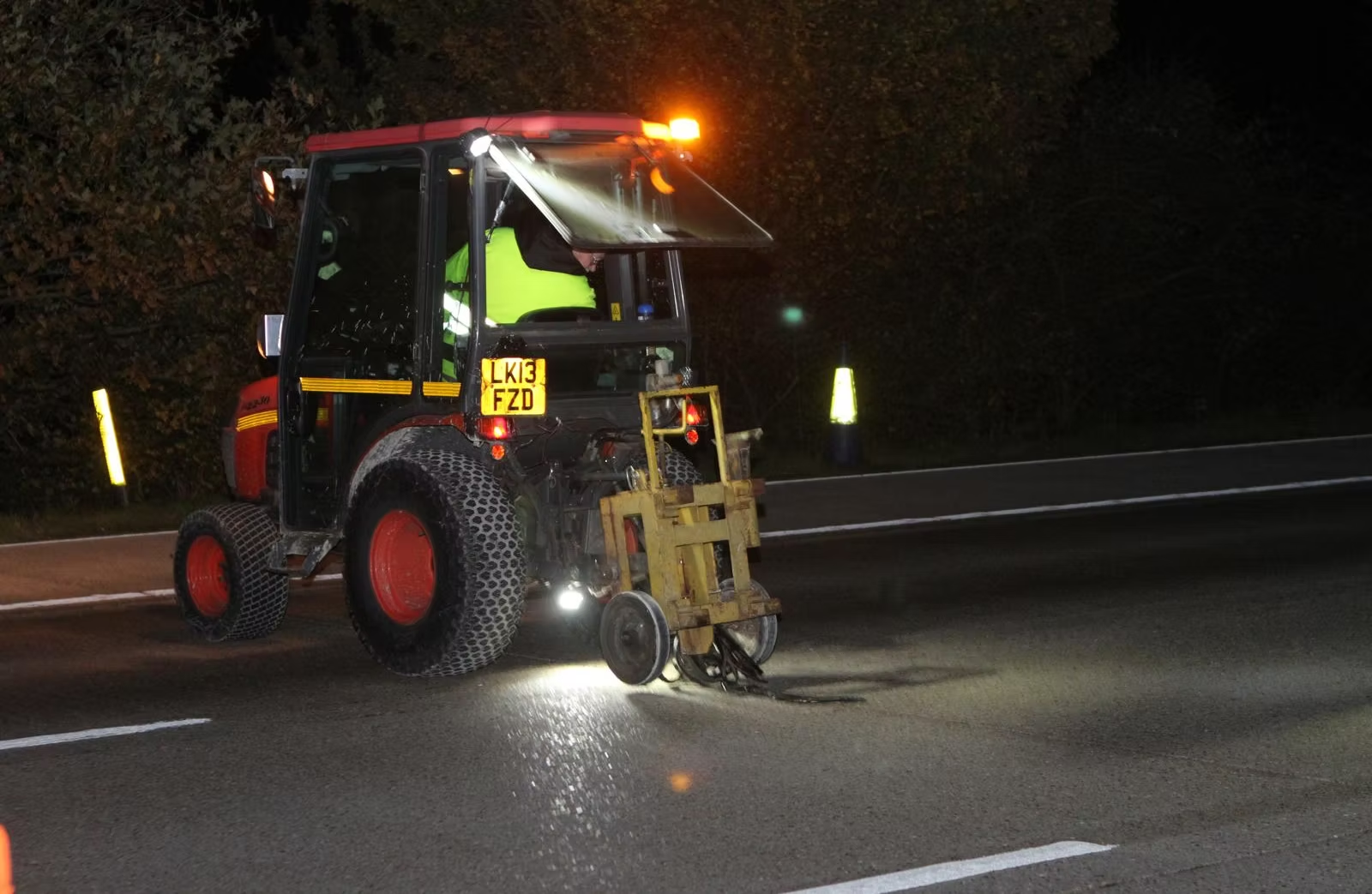
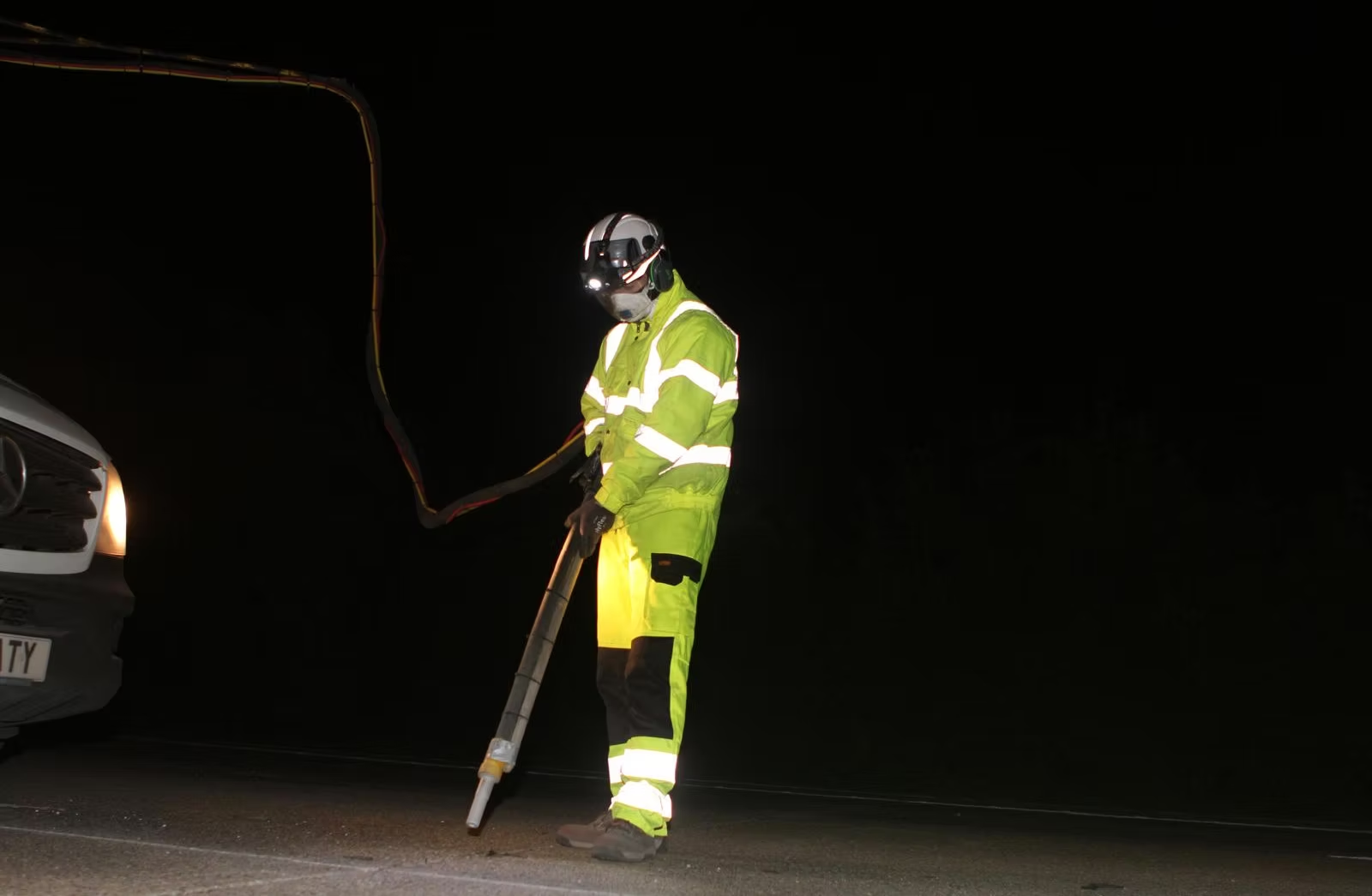
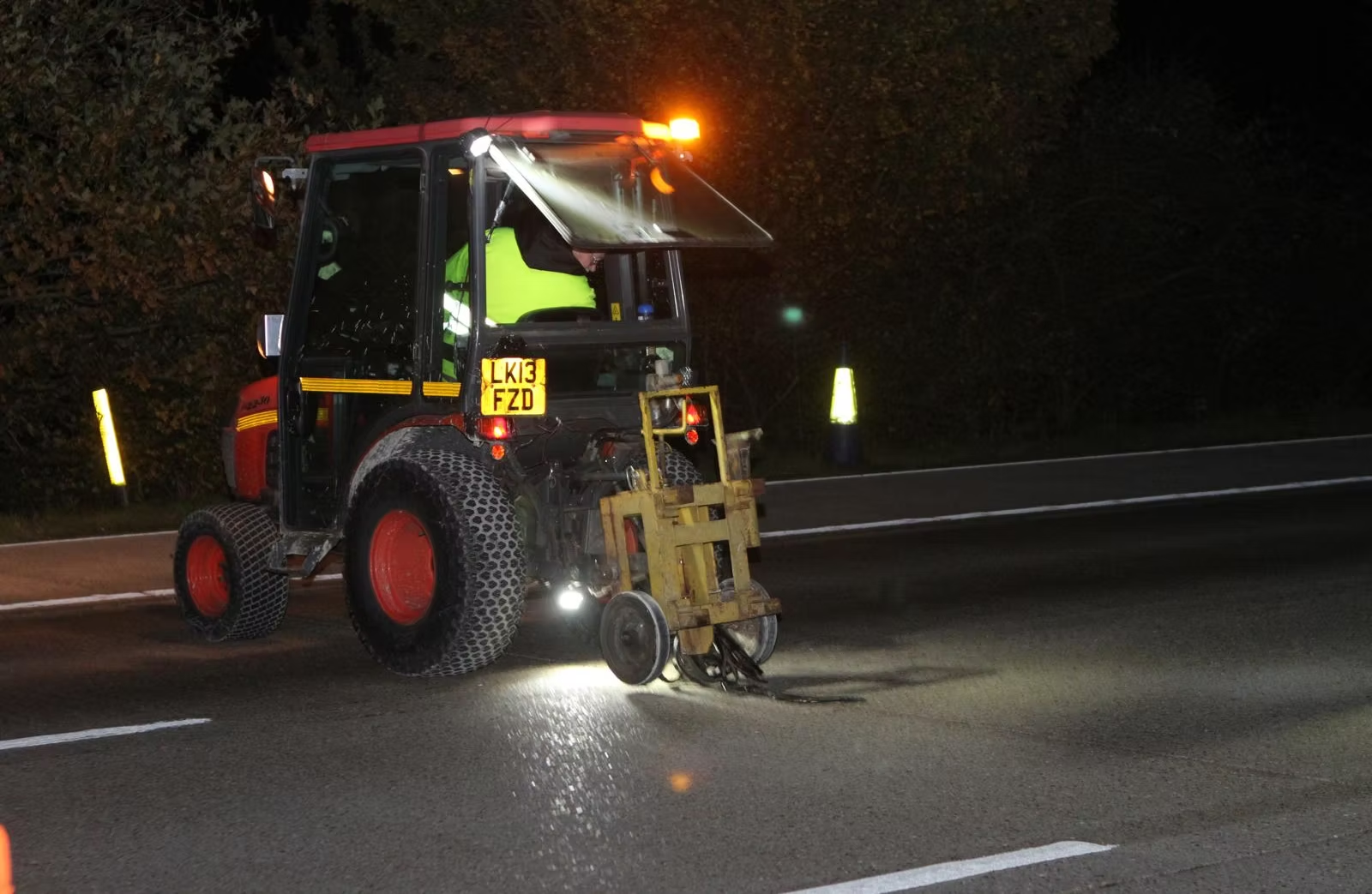
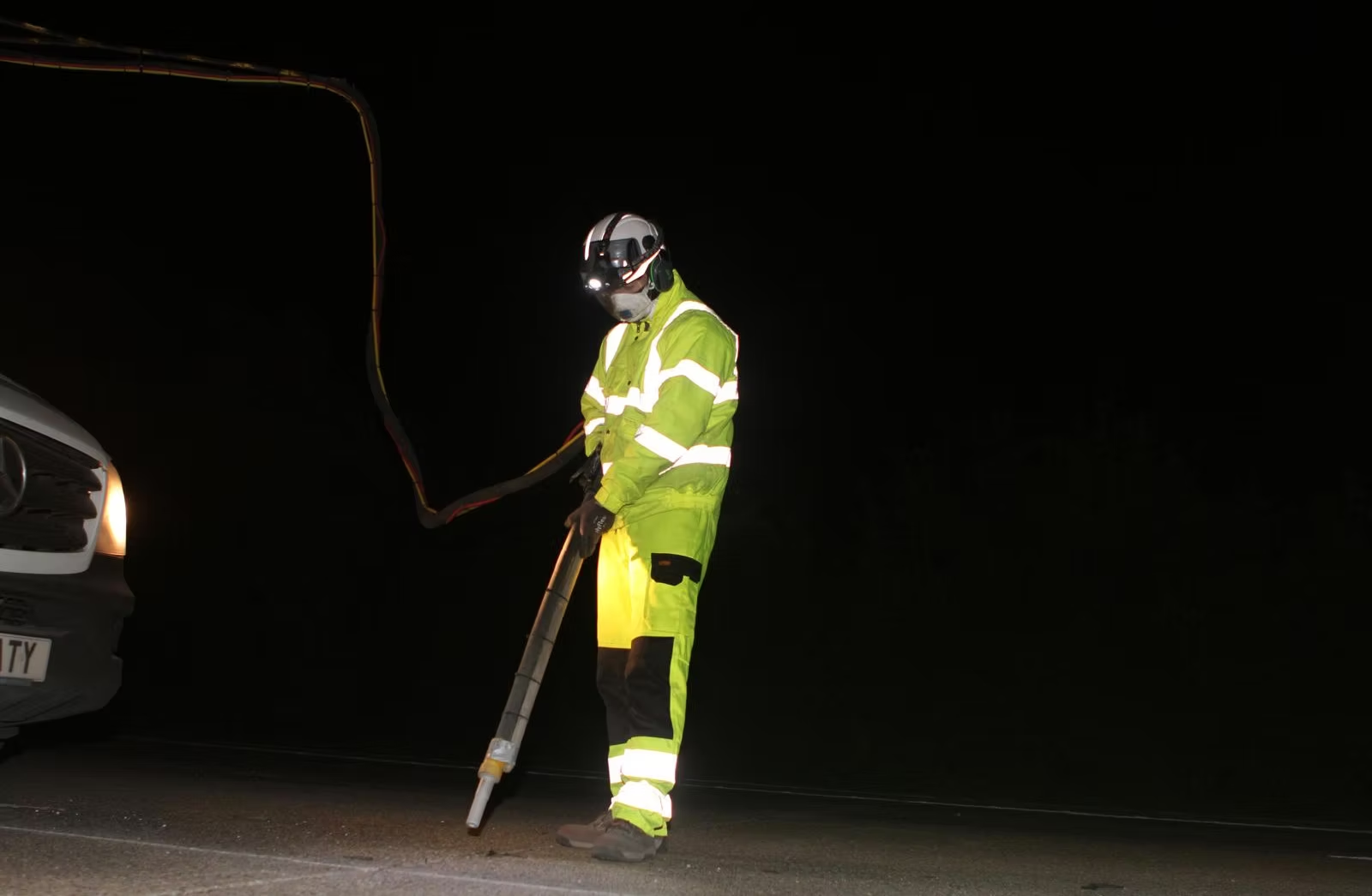
STEP 1 : PLOUGHING OUT OLD SEALANT
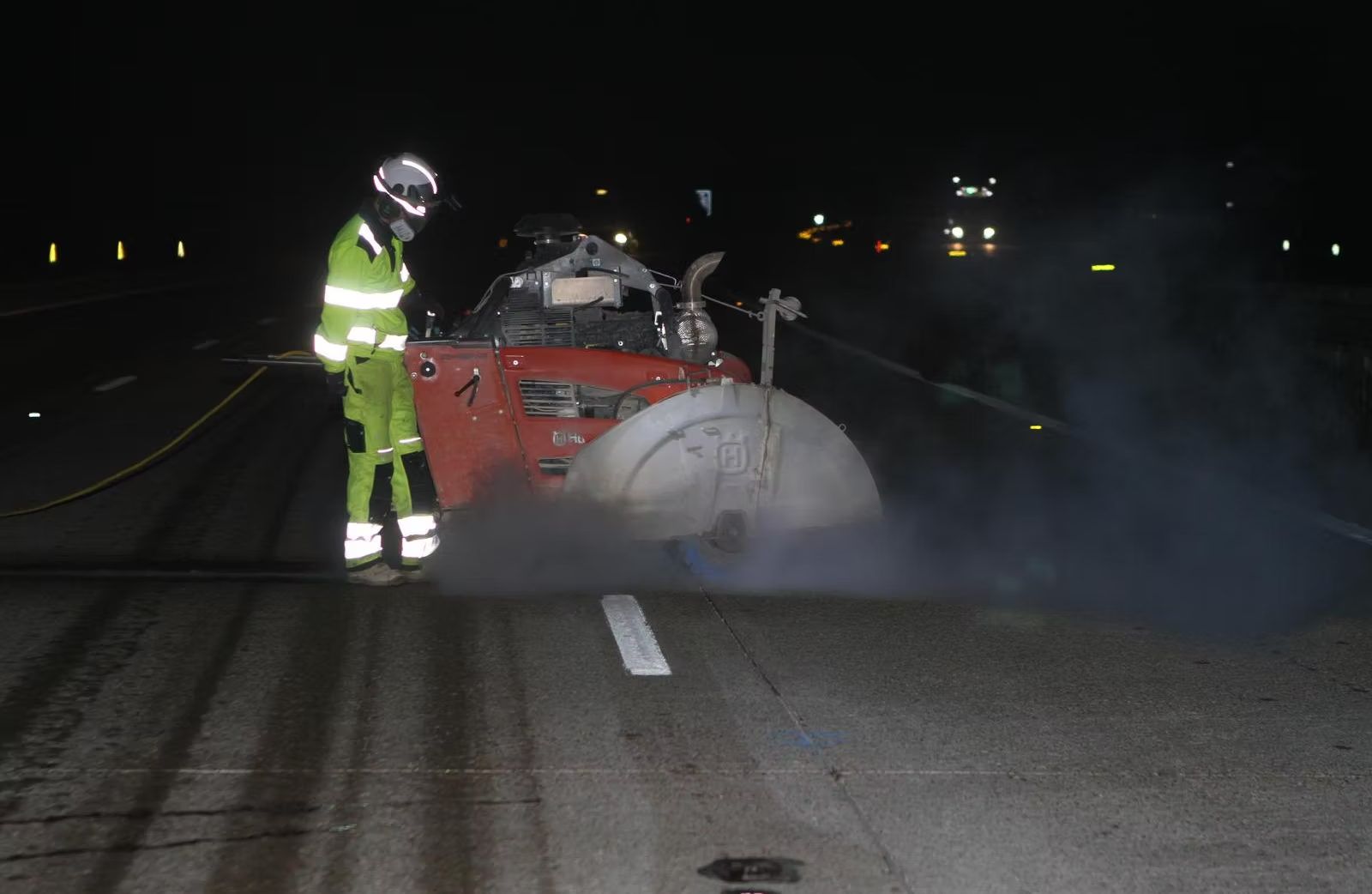
STEP 2: SAWING
STEP 3: DRYING
STEP 4: GRIT BLASTING
STEP 5 : CAULKING
STEP 6 : SEALING
Why the joints needed reforming
A concrete carriageway is a run of slabs, and the joints between them are designed to open and close with temperature. The sealant in them has a service life measurably shorter than the concrete, and once it hardens, debonds or is ploughed out by traffic, water gets into the sub-base and the slab edges start to spall. On a 20 kilometre stretch of coastbound carriageway that is not a defect to patch, it is a programme.
The six steps, and what each is for
Ploughing out removes the old sealant completely rather than skimming it, because new material will only bond to sound concrete. Sawing reforms the reservoir to a consistent width and depth, which is what gives the new sealant a defined shape to move in. Drying is not a pause, it is a step: a joint that looks dry can hold enough moisture to break the bond. Grit blasting takes the faces back to clean concrete. Caulking sets the backer at the right depth so the sealant bonds on two faces and is free on the third. Sealing is the last five minutes of a five-step preparation.
What a 10pm to 3:30am window actually gives you
Five and a half hours on paper. Traffic management goes in and comes out inside that, so the productive part is shorter again, and every operation has to be sequenced so nothing is left open when the road reopens. Twenty night shifts produced 23,304 linear metres cut and sealed, an average of 1,165 metres a shift. That average is the honest measure of a programme like this: not how fast a saw can run, but how much finished work survives the handback.
Where this was
Junctions 8 to 9 of the M20 is the stretch that carries Operation Brock's contraflow when the Channel ports back up, which is one of the reasons work here is planned tightly and handed back on time. It is also ten minutes from our yard. The same combination of saw cutting and joint sealing is what most of our highway sector work consists of.
This combined concrete saw cutting with joint sealing, delivered as part of our highway surfacing sector.
Shepherd and Sons
COLLABORATORS
FOR THIS PROJECT, WE PARTERNED WITH ROADTEACHS and PG SWEEPERS TO DELIVER WORKS ON BEHALF OF NATIONAL HIGHWAYS ENGLAND.
Shepherd and Sons
STATS
TOTALM SHIFTS – 20 NIGHT SHIFTS (WORKING WINDOW 10PM – 3;30 AM)
TOTAL METERS CUT AND SEALED – 23,304 LnM
AVERAGE CUT AND SEAL PER SHIFT – 1,165.2LnM