Service
Thermoplastic Road Marking
Shepherd and Sons Contracting LTD
Thermoplastic Road Marking
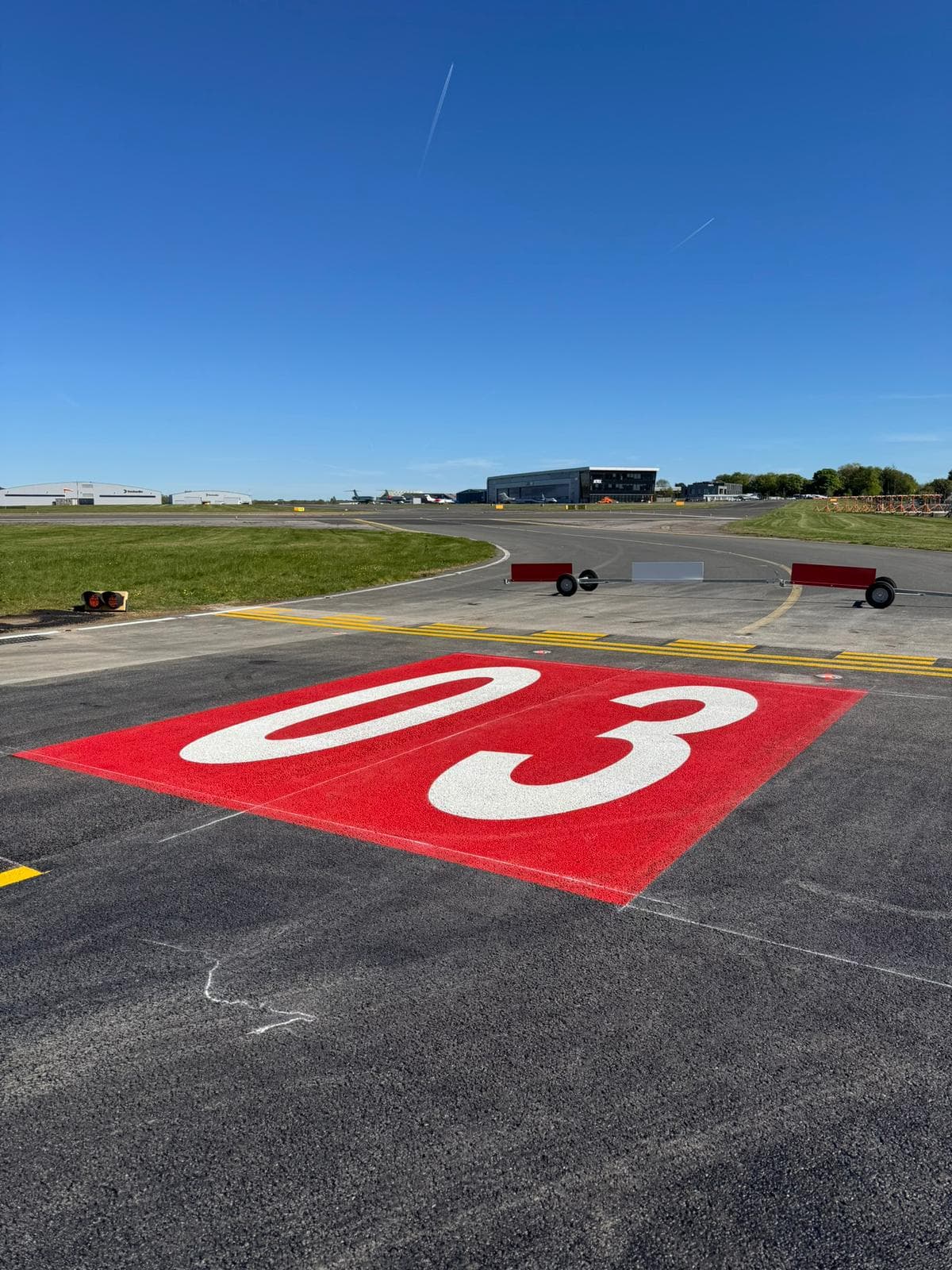
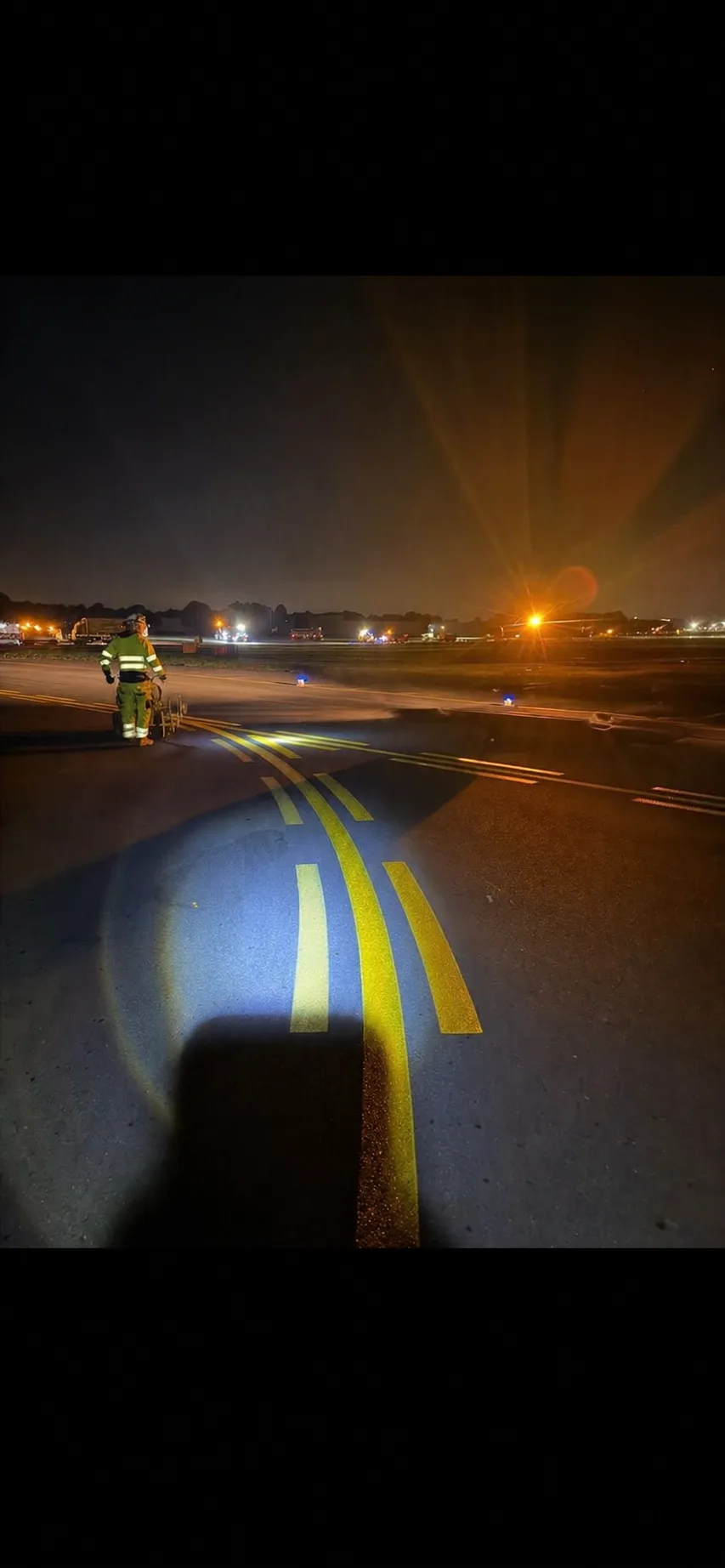
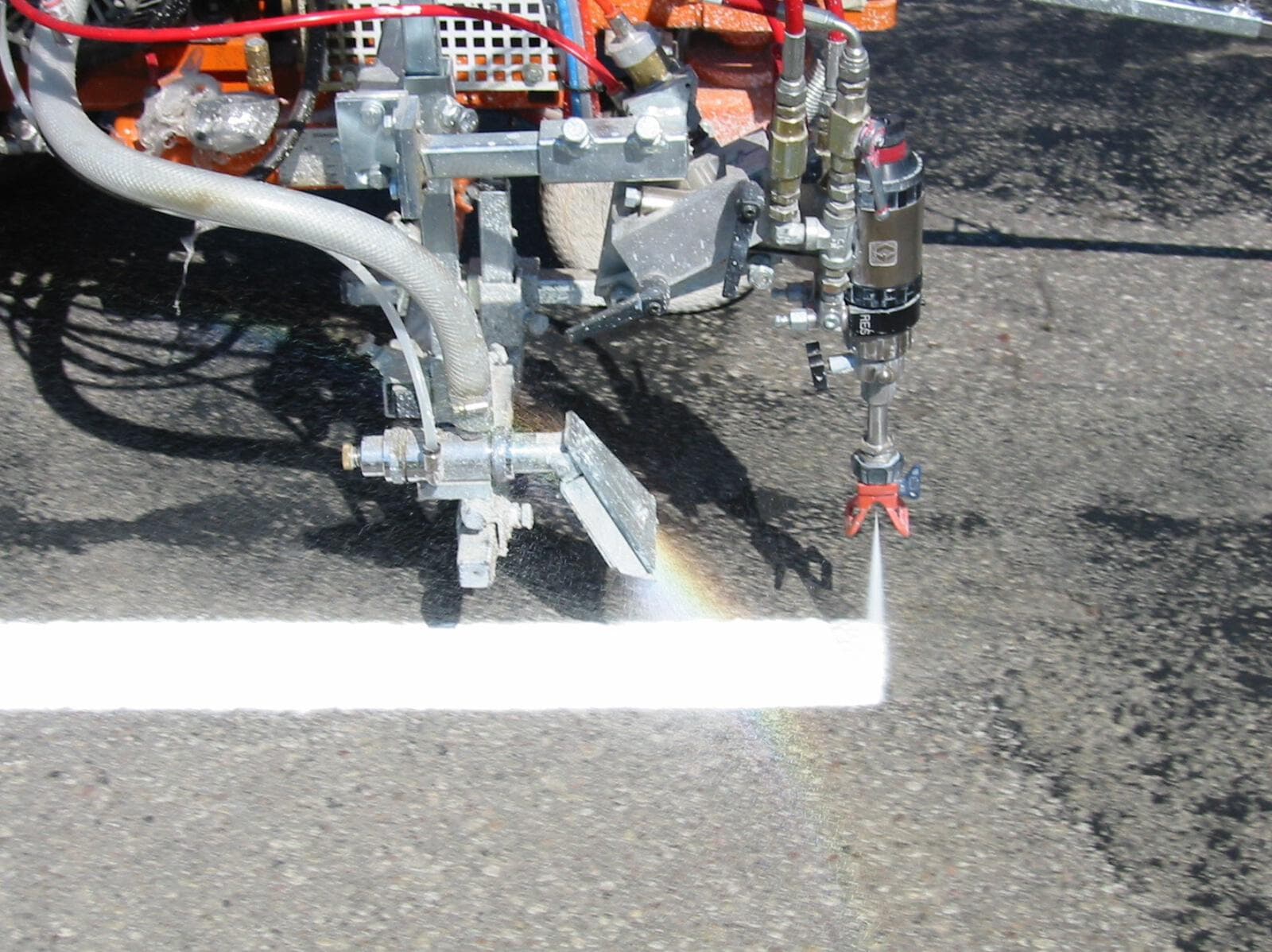
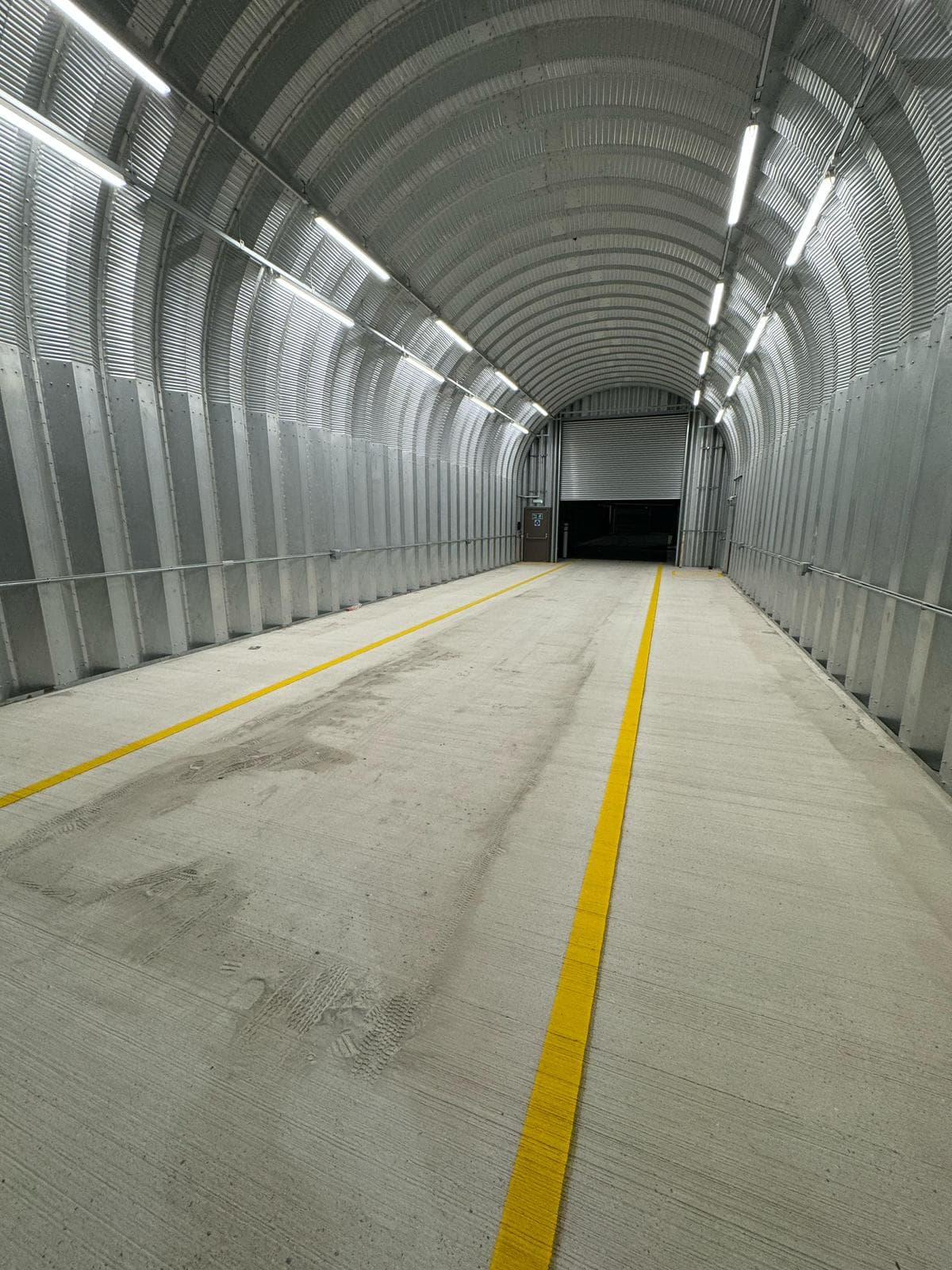
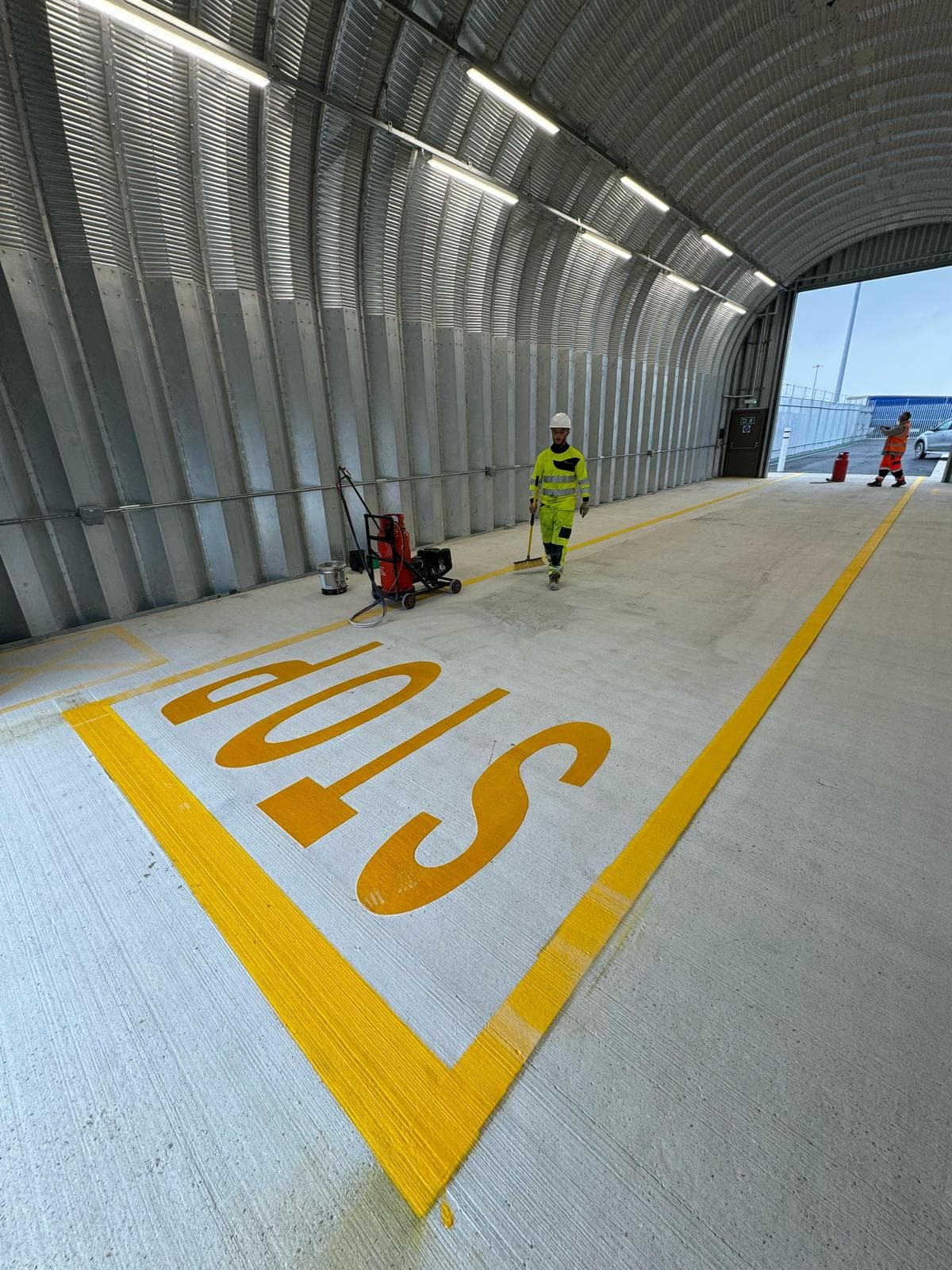
Thermoplastic is the dominant road marking material across the UK: it is on virtually every road, car park, pedestrian crossing, cycle lane, and give-way line in the country. Applied hot, it bonds directly to the surface and sets quickly, so a road can reopen almost immediately. Service life depends on traffic far more than on the material: the Department for Transport declines to publish a renewal interval at all, and UK field evidence points to around five years in general running and nearer two at busy junctions. Glass beads are dropped on while the material is molten to give retroreflectivity at night.
Shepherd and Sons take pride in all projects and pay attention to detail to ensure the long-lasting results are valued by our local communities. We aim to add value to our roadways, something that is in short supply on most of the nation’s road network: craftsmanship!
Key benefits:
- Durable, with service life set by traffic and turning movements rather than by the material alone
- High retroreflectivity for night and wet weather visibility
- Fast set time: minimal disruption
- Compliant with Chapter 8 and UK highway standards
- Suitable for highways, A roads, car parks, pedestrian areas, cycle lanes
- Cost-effective at scale
Applications: Highways, A roads, car parks, give-way markings, pedestrian crossings, cycle lanes, private roads.
Specifying thermoplastic properly
Rather than a number of years, a marking is better specified by its performance class under BS EN 1436, which covers retroreflection, luminance, colour and skid resistance and can be measured on the day. On trunk roads and motorways permanent markings now fall under CC 120 in the Manual of Contract Documents for Highway Works, which replaced the withdrawn Series 1200. On private land such as a supermarket car park none of that is mandatory, though laying to it is a sensible standard to ask for.
Changing a layout is a job in itself. Painting over thermoplastic does not work, because the old line shows through and reflects on a wet night, so old markings are removed first by shot blasting, planing or hydro-blasting. Every method takes some of the surface with it, and on an airfield the surface has to come back with its texture intact and free of debris. Removal often costs more than the new lines.
Shepherd and Sons Contracting LTD