Shepherd and Sons Ltd
Port Concrete Cutting in Kent
Port concrete cutting in Kent is a specialist category of cutting work that combines heavy-duty dockside concrete, marine atmosphere, fuel and chemical exposure, tidal and operational working windows, and the constant presence of heavy plant and container traffic. Kent’s ports handle some of the busiest freight, ferry and bulk cargo operations in the UK, and the concrete pavements that carry that load are among the most heavily engineered surfaces outside aviation. Cutting them requires diamond saws matched to the reinforcement, operatives who understand port working protocols, and a contractor who can coordinate with port operations to work within tight vessel and tidal windows.
At Shepherd and Sons, port work is one of our four core sectors, and Kent’s ports sit right on our doorstep. We deliver concrete cutting across the Kent and Thames Estuary port network from our base at Westerhill Farm near Maidstone, with more than 40 years of experience in heavy-duty pavement environments. We hold SafeContractor and CHAS accreditation, and we’re members of the Extruded Sealant Association for the joint sealing work that follows on from cutting. This article covers what port concrete cutting in Kent involves, why it’s a specialist discipline, the ports and project types we cover, and how to specify the work properly.
Why port concrete cutting is different
Port concrete cutting differs from ordinary highway or industrial cutting in five specific ways.
Heavy-duty concrete. Port hard standings, container yards and quaysides are engineered for reach stackers, straddle carriers, loaded HGVs and crane rail loads that far exceed highway traffic. The concrete is thick (typically 250mm to 400mm), heavily reinforced, and often built over multiple historic layers. Cutting through it requires blade specifications matched to the reinforcement density, not a generic blade.
Marine atmosphere. Salt-laden air accelerates corrosion of reinforcement, which changes the condition of the concrete being cut and affects the follow-on reinstatement specification. Cutting equipment also has to withstand the corrosive environment.
Tidal and operational windows. Port cutting frequently has to happen within tight windows dictated by vessel schedules, tidal access, and continuous cargo operations. A quayside can rarely be closed for extended periods. The cutting programme has to be planned to complete the cut, remove the section, and reinstate within the available operational slot.
Fuel and chemical exposure. Bunker fuel handling areas, fuel storage hardstanding and heavy plant operating zones expose the concrete (and the joints) to bunker oil, diesel, hydraulic fluid and chemical spillage. This drives the specification of the joint sealing that follows the cutting work.
Heavy plant coordination. Port cutting happens alongside live plant movements. Reach stackers, forklifts, cranes and HGVs continue operating around the works. Coordination with port operations, exclusion zones and banksman control is essential.
In our experience, ESA-member specialist contractors with heavy-duty pavement experience work better than general cutting firms on Kent port work because the combination of heavily reinforced concrete, marine-corroded reinforcement, tidal working windows and fuel-exposure joint interfaces requires a contractor who understands the whole system, not just the cut. On a Sheerness quayside slab replacement working to a tidal access window, the difference between a specialist and a generalist is the difference between a section replaced and reinstated within the slot, and a job that overruns into the next vessel movement.
The Kent ports and projects we cut concrete on
Kent has one of the densest concentrations of working ports in the UK, and we deliver across the network.
Port of Sheerness. One of the UK’s leading car handling and fresh produce ports on the Isle of Sheppey. Container yards, ro-ro terminals, warehousing hard standings and quayside pavements all require periodic cutting for slab replacement, joint reformation and service installation.
Port of Dover. Europe’s busiest ferry port. The ferry terminal aprons, freight marshalling areas and quayside pavements carry enormous HGV and vehicle loads, and the concrete maintenance programme reflects that intensity.
Port of Ramsgate. A working port on the Kent coast with cargo, offshore wind support and marine operations. Hard standing and quayside cutting work supports the port’s evolving operations.
Thamesport and the Thames Estuary network. Deep-water container facilities and the wider Thames Estuary port cluster, including London Gateway and Tilbury on the Essex side, all sit within our regular mobilisation range.
Across these port operations, the cutting work typically covers:
- Hard standing and container yard slab replacement
- Quayside pavement joint reformation and resealing
- Fuel handling area reinstatement
- Crane rail beam cutting and modification
- Service trenching for drainage, power and communications
- Bunker handling area cutting and sealing
- Fender and bollard fixing core drilling
We’ve delivered concrete cutting across all sectors, with the Kent and Thames Estuary port network a consistent part of that work.
The cutting techniques used in Kent port environments
The full range of concrete cutting techniques appears on port work, matched to the specific job.
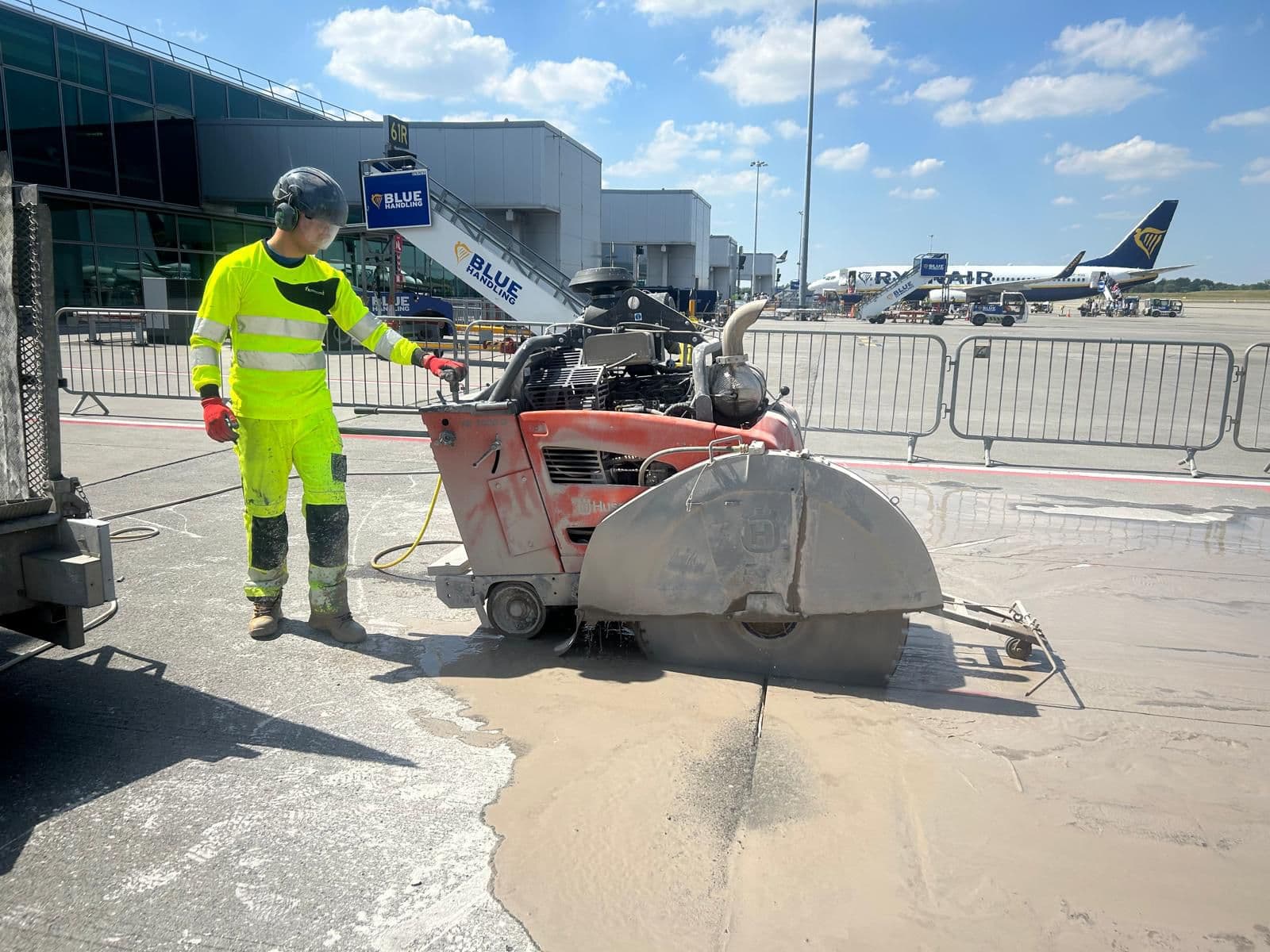
Floor sawing. The standard method for horizontal cuts in port hard standings, container yards and quayside pavements. Our floor saws deliver up to 420mm cut depth, which handles the vast majority of Kent port slab thicknesses. Used for slab isolation, joint reformation and service trenching.
Wall sawing. Vertical and angled cuts in quay walls, retaining structures, crane beam modifications and dockside structural elements.
Wire sawing. Where cut depth or geometry exceeds blade capacity, or where extremely heavy reinforcement rules out conventional sawing. Common on crane rail beams, heavy dock structures and thick foundation work.
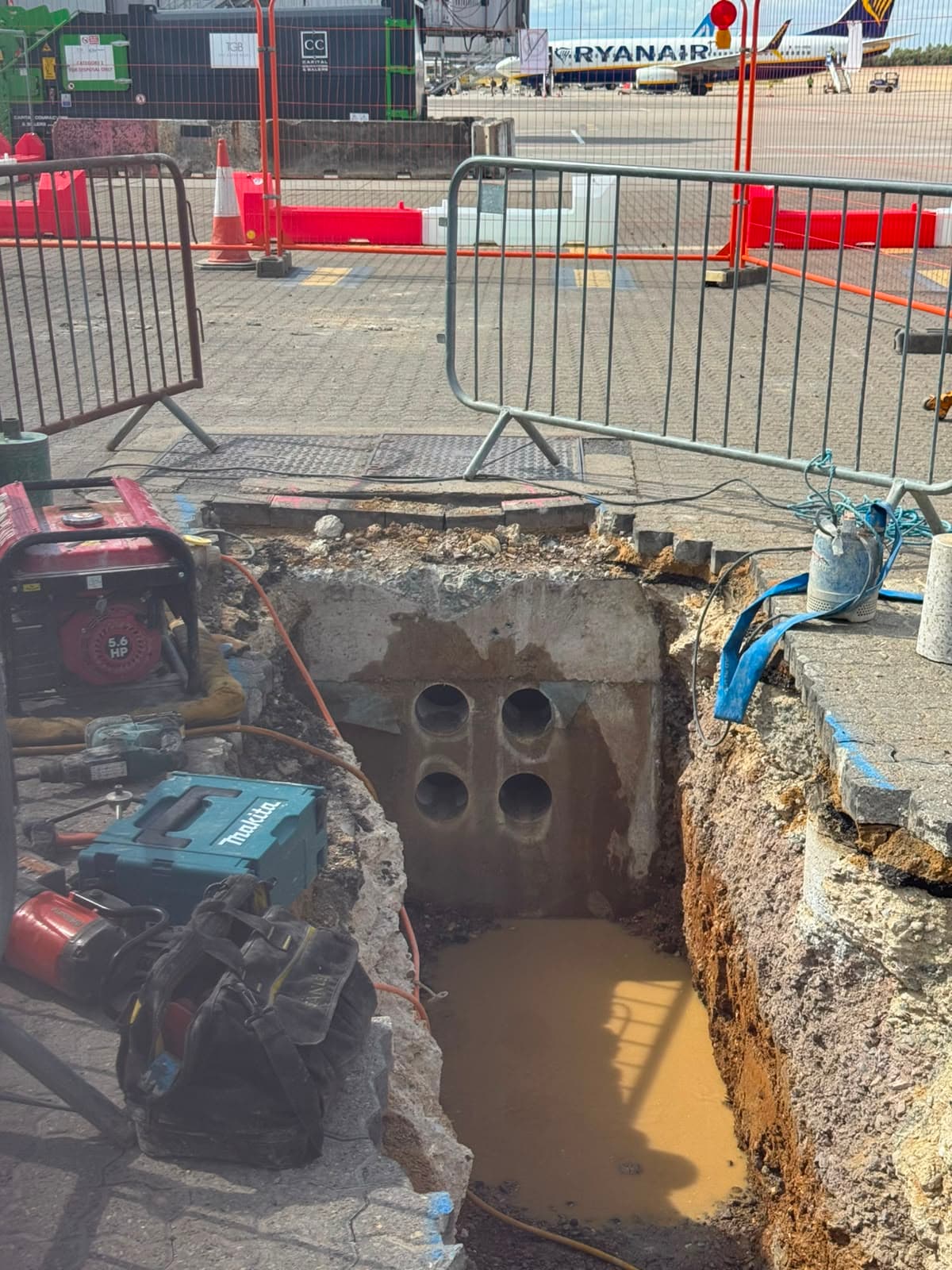
Diamond and core drilling. Circular penetrations for fender fixings, bollard installations, service holes, drainage and structural fixings. Core drilling is also used to assess the condition of existing port concrete before a cutting and reinstatement programme is specified.
Stitch drilling. Overlapping cores forming a cut line where mechanical breaking isn’t permitted, used around live services, fuel lines and sensitive dock structures.
The fuel, chemical and joint sealing tie-in
This is where port cutting connects directly to Shepherd and Sons’ wider specialism, and where the whole-system approach matters.
Many port cutting operations feed straight into joint sealing work. When a slab section is replaced, the interface joints have to be cut to specification and sealed to match the loading and exposure environment. In fuel handling and bunker areas, the joints are exposed to bunker oil, diesel and hydraulic spillage, which rules out standard sealants.
For fuel-exposed port joints, the specification typically moves to a two-part cold applied polysulfide or a one-part polyurethane. Bunker handling and fuel storage areas call for chemical-resistant sealants, and the cold applied joint sealing systems we specify (including Sikaflex and Sea-Kar one-part polyurethanes for port environments) handle the marine atmosphere and chemical exposure. The ESA Code of Practice Section 5.1 requires joint slot faces to be within 10° of vertical for proper sealant performance, which means the cutting specification directly determines whether the sealing will hold.
We’ve found that specifying cutting and sealing together on port work produces significantly better outcomes than treating them as separate scopes, because the joint geometry, the exposure environment and the reinstatement all have to be coordinated. A port operator who commissions cutting from one contractor and sealing from another often ends up with joint geometry that doesn’t suit the sealant, and a seal that fails prematurely in the aggressive port environment.
Standards and compliance for Kent port concrete cutting
Port concrete cutting in Kent is governed by:
- HSE guidance for diamond drilling and sawing operations
- The Drilling & Sawing Association (DSA) Code of Practice
- Port-specific safety and operational protocols (each port operates its own permit-to-work and exclusion zone regime)
- CDM 2015 Regulations for construction projects
- BS EN 14188 series and the ESA Code of Practice where cutting interfaces with joint sealing
- COSHH Regulations for silica dust control
Operator competence is governed by NVQ Level 2 in cutting and drilling, with operatives holding CSCS cards. Port work also requires port-specific inductions and adherence to each port’s operational safety regime.
What to ask any Kent port concrete cutting contractor
Five questions tell you most of what you need to know.
Do they have heavy-duty pavement experience? Port concrete isn’t highway concrete. Ask for references specific to port, dockside or heavy industrial hard standing work.
Can they work within tidal and operational windows? Port closures are dictated by vessel and tidal schedules. A contractor without responsive programming will struggle to work within the available slots.
Do they understand the fuel and chemical exposure interface? If the cutting feeds into joint sealing in a fuel handling area, the contractor needs to understand which sealants suit the exposure. A cutter who doesn’t understand the sealing that follows will leave you with joint geometry that doesn’t suit the specification.
What’s their marine-environment plant condition? Salt atmosphere is hard on equipment. A contractor working ports regularly will have plant maintained for the environment.
What’s their port safety and induction record? Port operations have specific safety regimes. Ask about their experience working within port permit-to-work systems and exclusion zones. For the broader Kent contractor evaluation framework, concrete cutting contractors in Kent covers the wider selection criteria.
Specifying port concrete cutting in Kent properly
A meaningful port concrete cutting specification will identify the pavement type (hard standing, container yard, quayside, fuel handling area), the slab thickness and reinforcement, the cut linear metres and geometry, the required depth and width, the tidal and operational working window, the services survey requirement, the marine and chemical exposure conditions, the section removal method, and the interface with any following work (joint sealing, reinstatement, service installation).
If you’re specifying or commissioning port concrete cutting work in Kent, whether that’s a Sheerness container yard slab replacement, a Dover ferry terminal joint reformation, a Ramsgate quayside repair, or a Thames Estuary fuel handling area reinstatement, get in touch. We’ll assess the pavement, the exposure, the working window and the follow-on works, and quote the full scope properly. You can see recent project work on our LinkedIn and Instagram.
More on Concrete Cutting
 Concrete Cutting
What is Core Drilling?
Read More »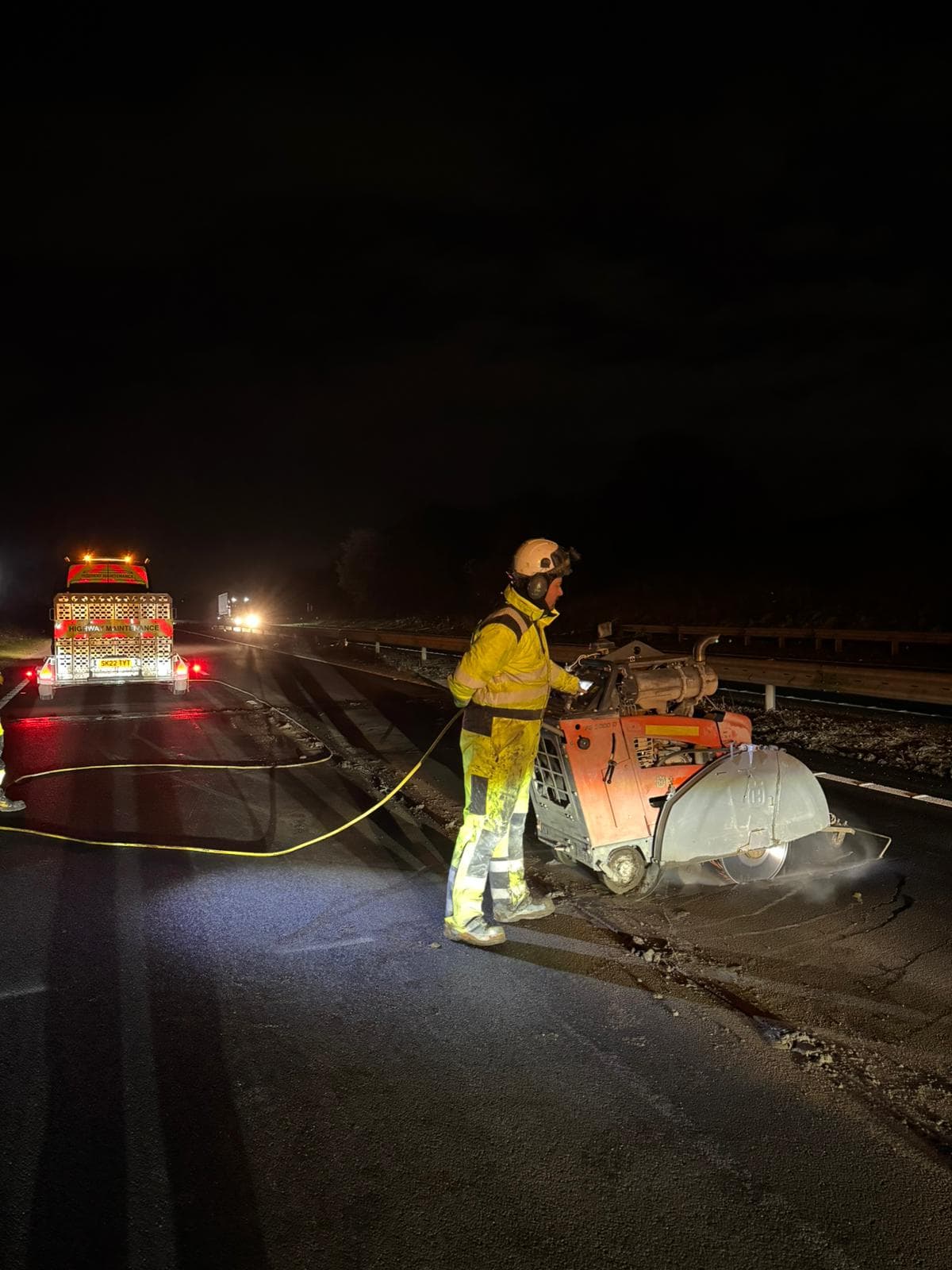 Concrete Cutting
Floor Sawing Services in Kent
Read More »- Concrete Cutting
Concrete Cutting in London
Read More » 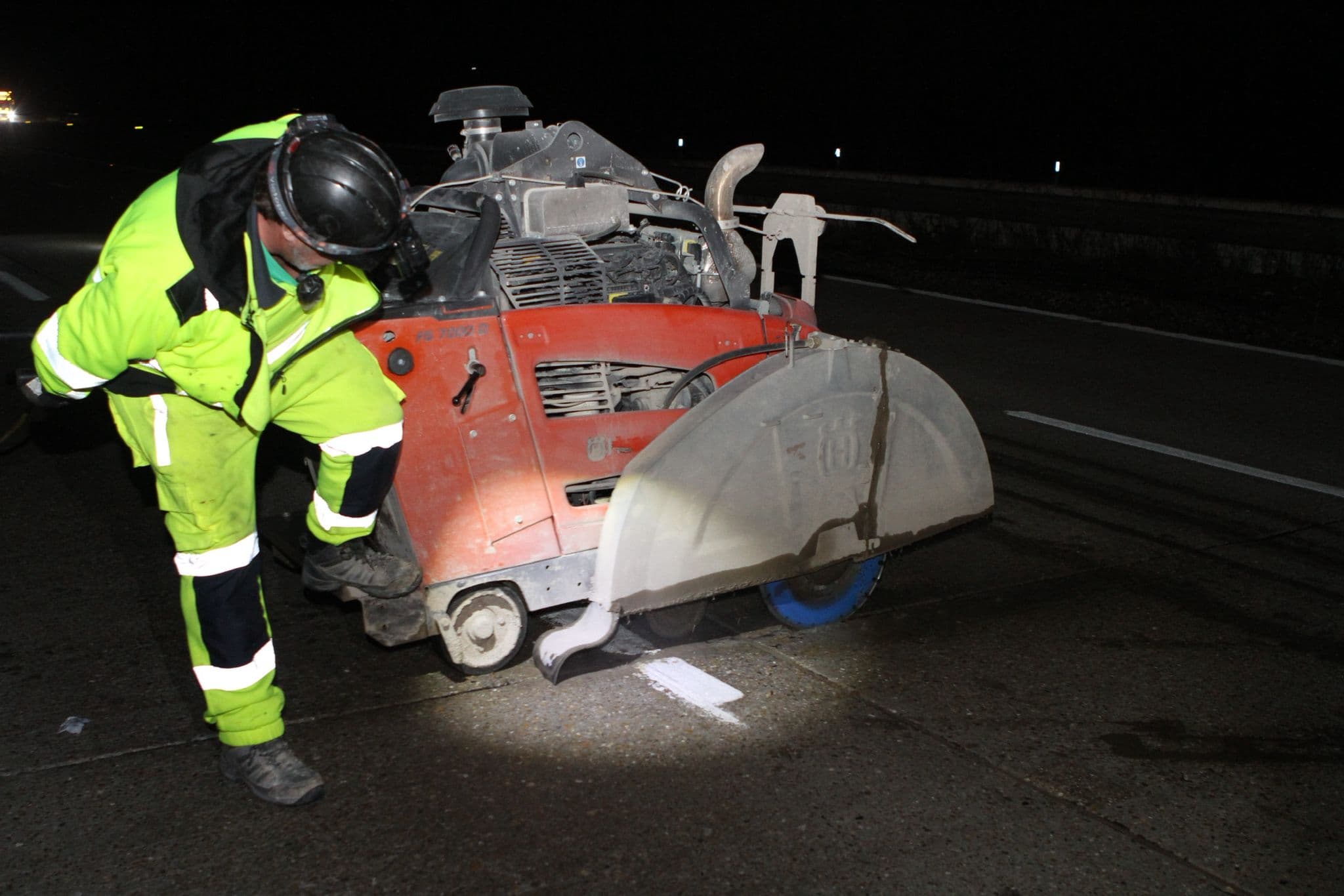 Concrete Cutting
What is floor sawing?
Read More » Concrete Cutting
Diamond Drilling Contractors in Kent
Read More » Concrete Cutting
What is concrete cutting?
Read More »