Service
Hot Applied Joint Sealing
Shepherd and Sons Contracting LTD
Hot Applied Joint Sealing
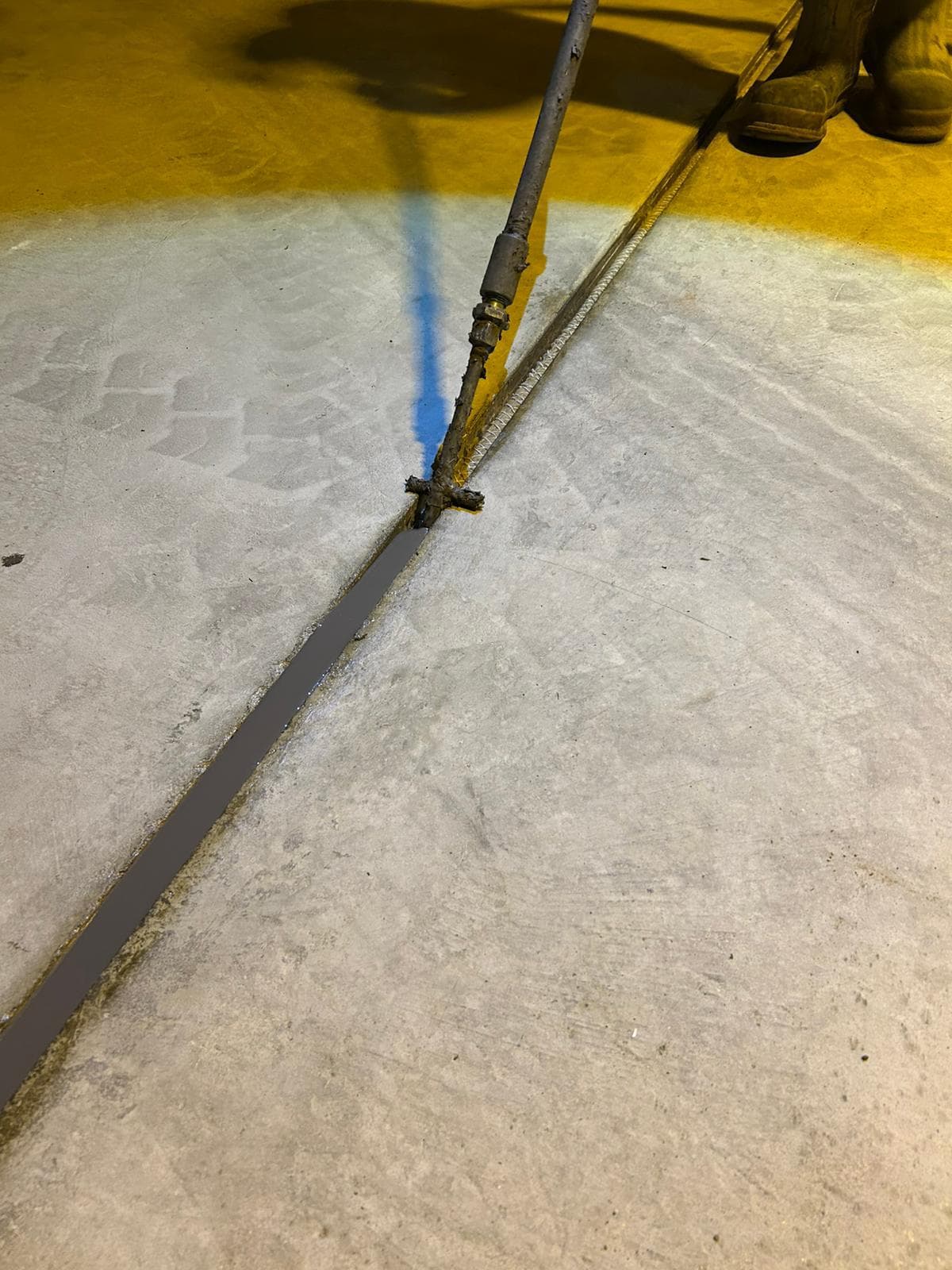
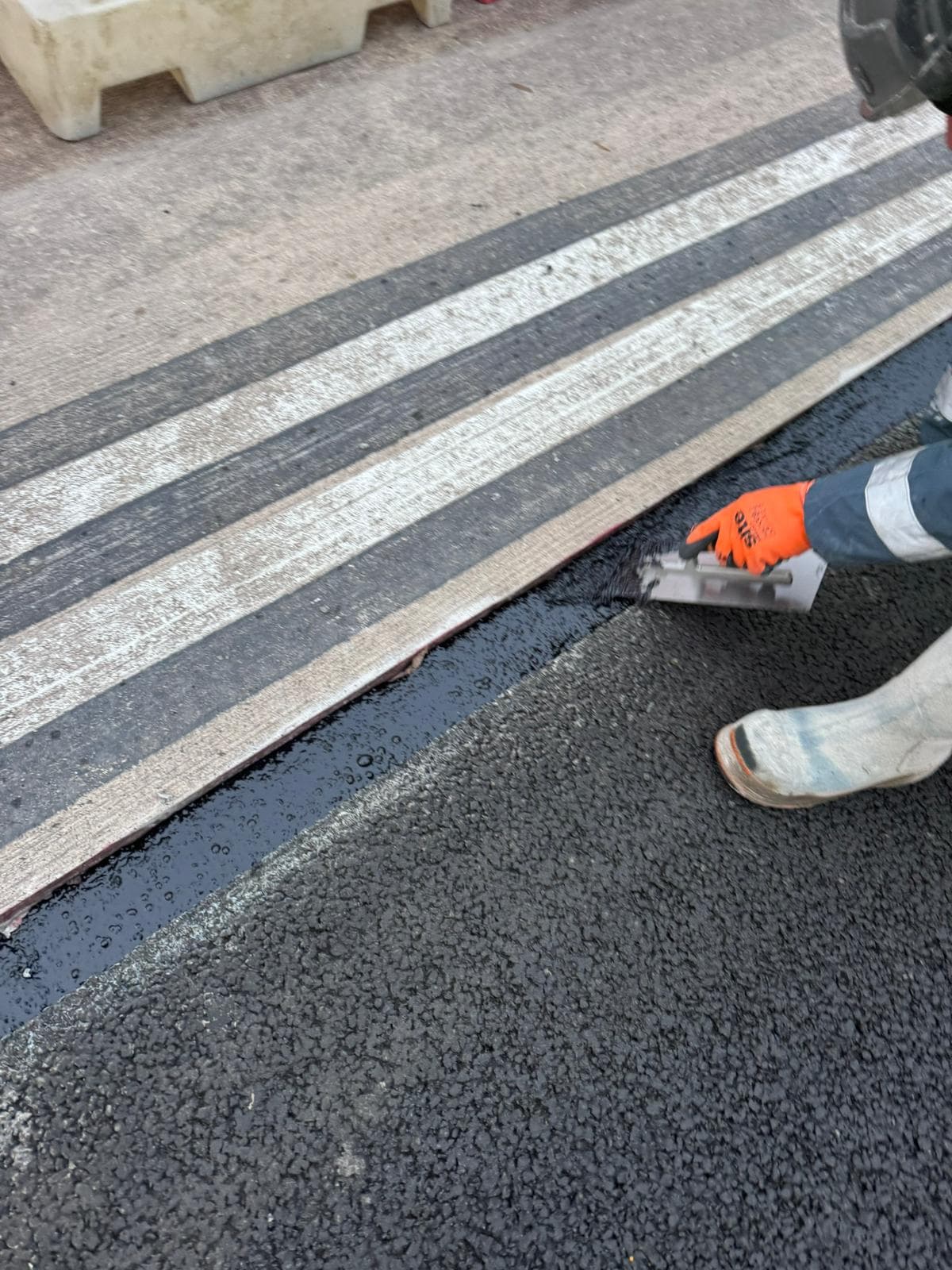
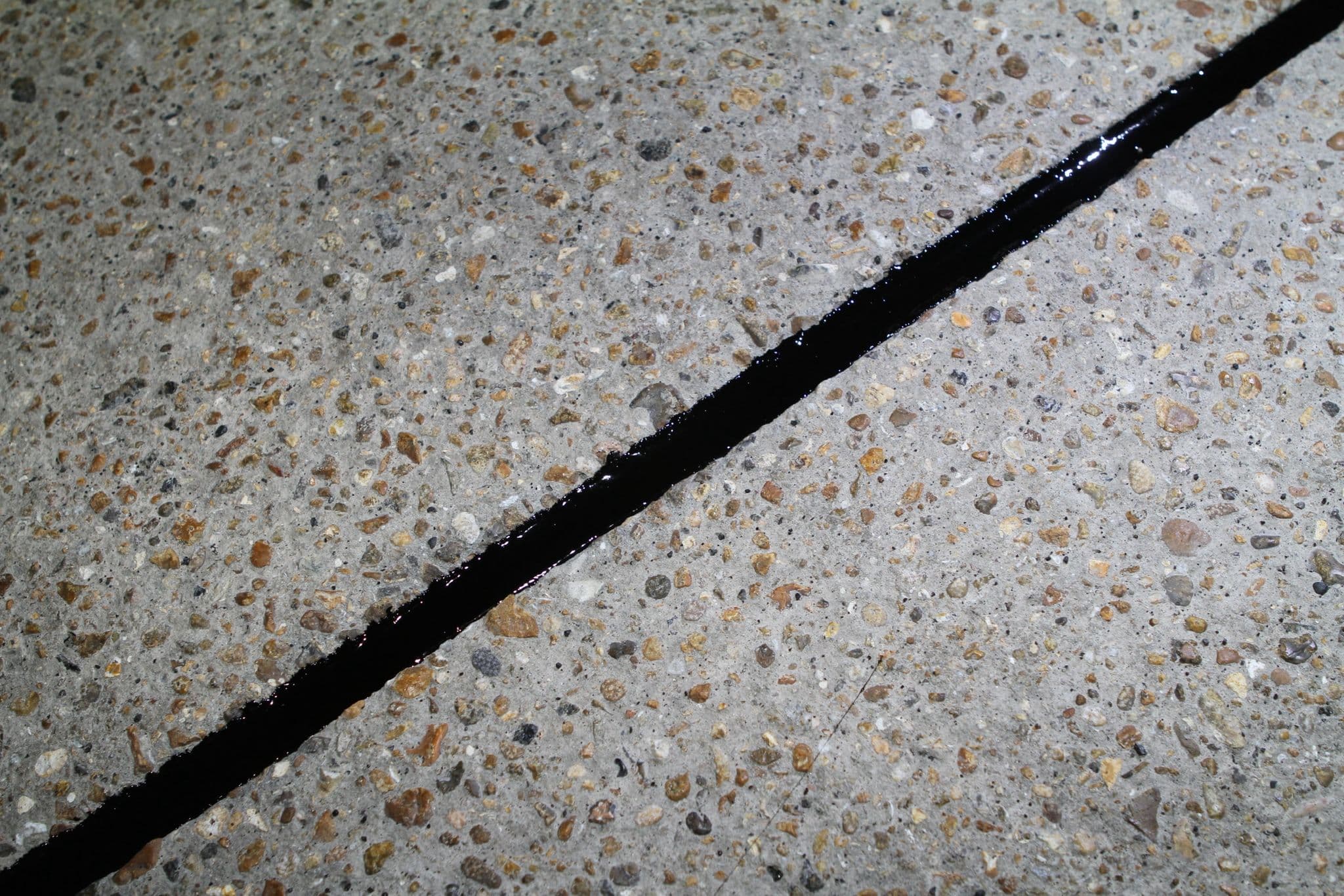
Hot applied joint sealing uses bitumen-based sealants applied molten through a heated boiler. The two main types are N1, an elastic high-extension sealant, and N2, a normal low-extension sealant, both compliant with BS EN 14188-1. They cure quickly and offer excellent flexibility, making them well suited to highways, airfields, and car parks where fuel resistant cold applied sealants may not be needed.
The skill is matching the product to the joint. In our experience, an N1 sealant works better than N2 on joints with high movement because its greater extension accommodates slab expansion without splitting, whereas N2 suits stable, low-movement joints. Slots must be dry, sound, clean and free from frost and dust before sealing, and the finished seal is recessed below the surface to prevent extrusion under traffic in hot weather.
N1
N1: Surface Joint Sealant N1 is a polymer-modified bituminous surface-applied hot-pour sealant, slightly more rigid in its characteristics. Used for road and runway surface joints in concrete and asphalt, resistant to de-icing agents and extreme temperature fluctuations.
Applications: Highways, motorways (including M20), airfield surface joints. Specification: N1 hot applied joint sealant.
N2
N2: Flexible Surface Joint Sealant N2 is very similar to N1 but slightly more flexible, making it better suited to asphalt surfaces where expansion and contraction movement occurs. Some engineers specify N2 over N1 for joints in areas with greater thermal movement.
Applications: Asphalt surfaces, areas with thermal expansion/contraction requirements. Specification: N2 hot-applied joint sealant
9525
9525: Structural / Sub-Surface Sealant 9525, written properly as 95/25, is a grade of oxidised bitumen rather than a proprietary sealant, and it is not a surface sealant. It is hard and rigid where N1 and N2 are designed to move, so it belongs below the surface or between asphalt layers. We use it mainly for sealing cable chases carrying airfield ground lighting (AGL) cable, where a runway is being resurfaced and the chase will be buried under the new asphalt.
Shepherd and Sons Contracting LTD