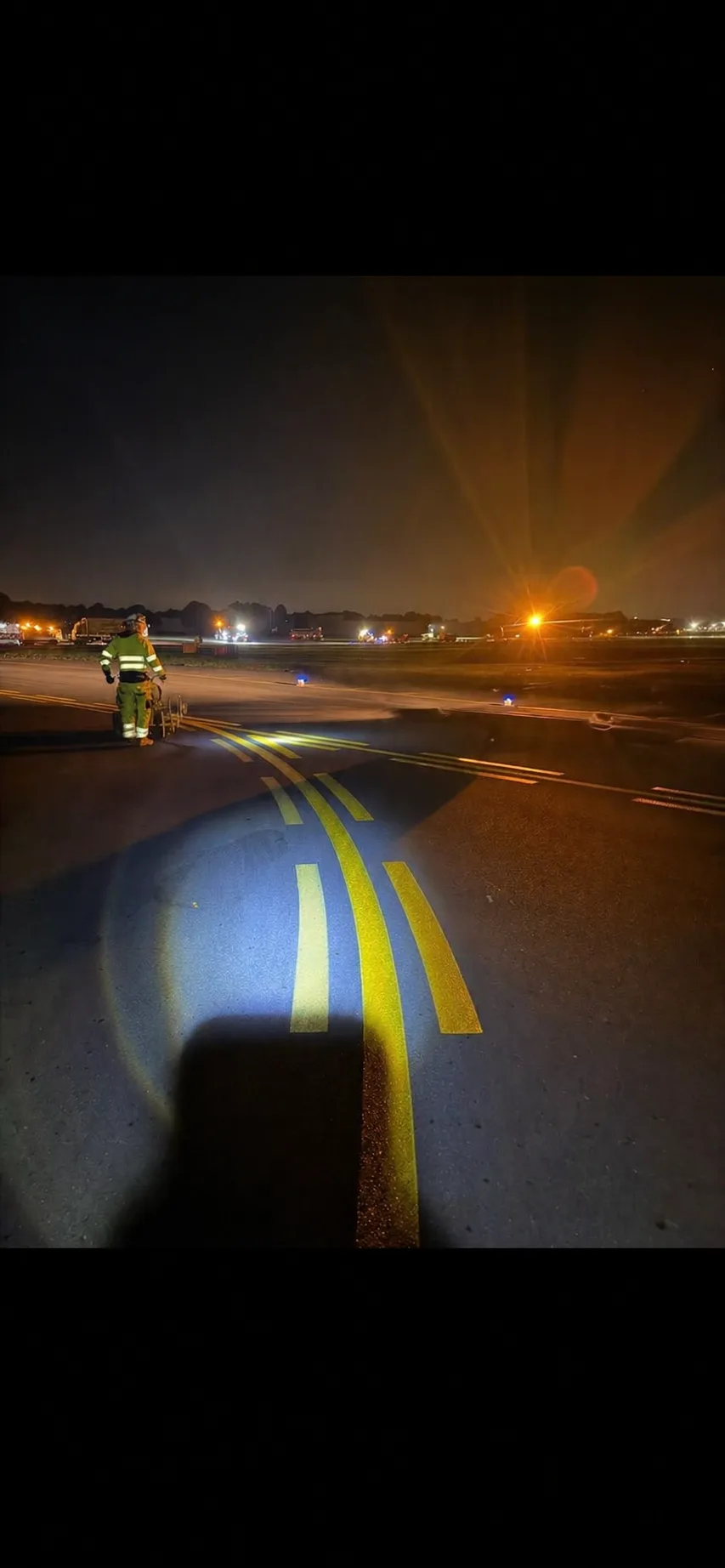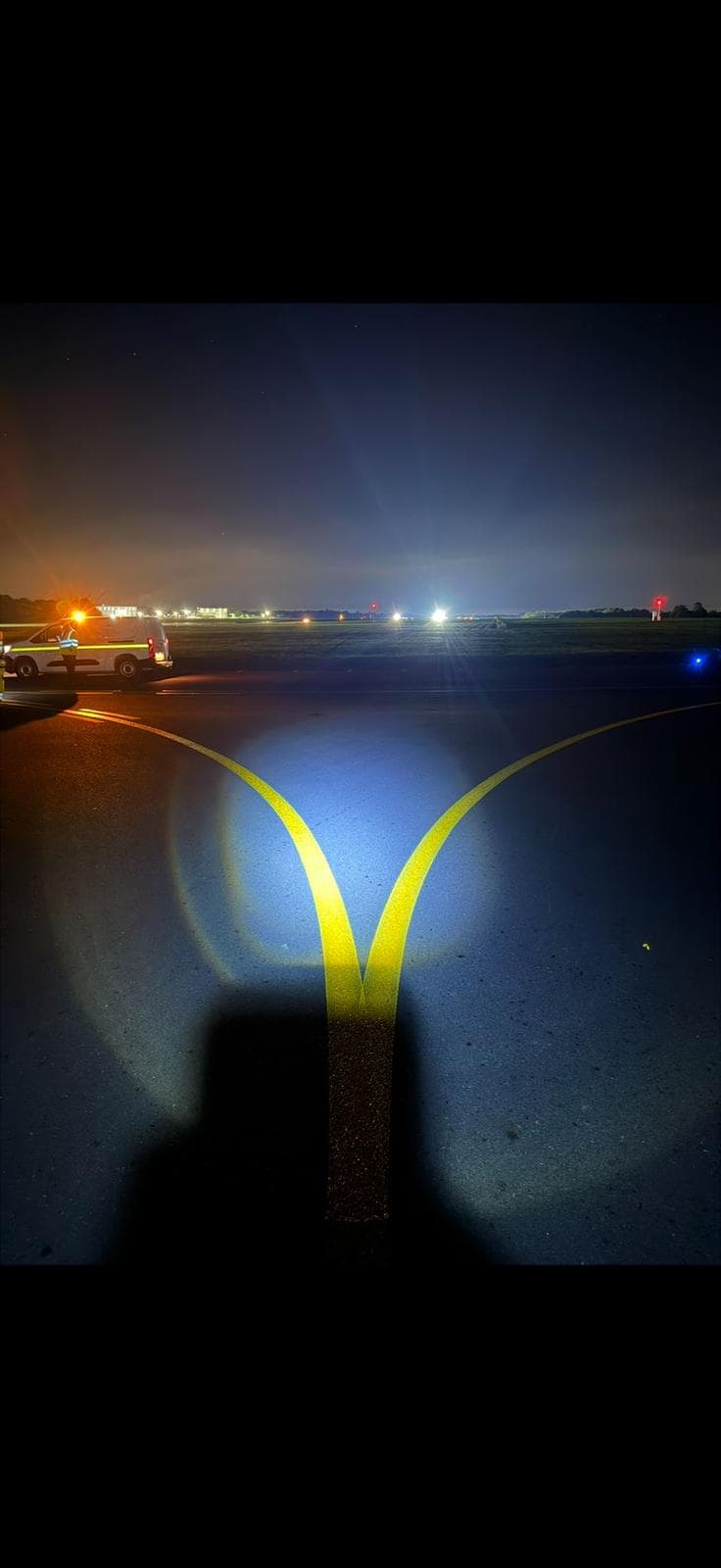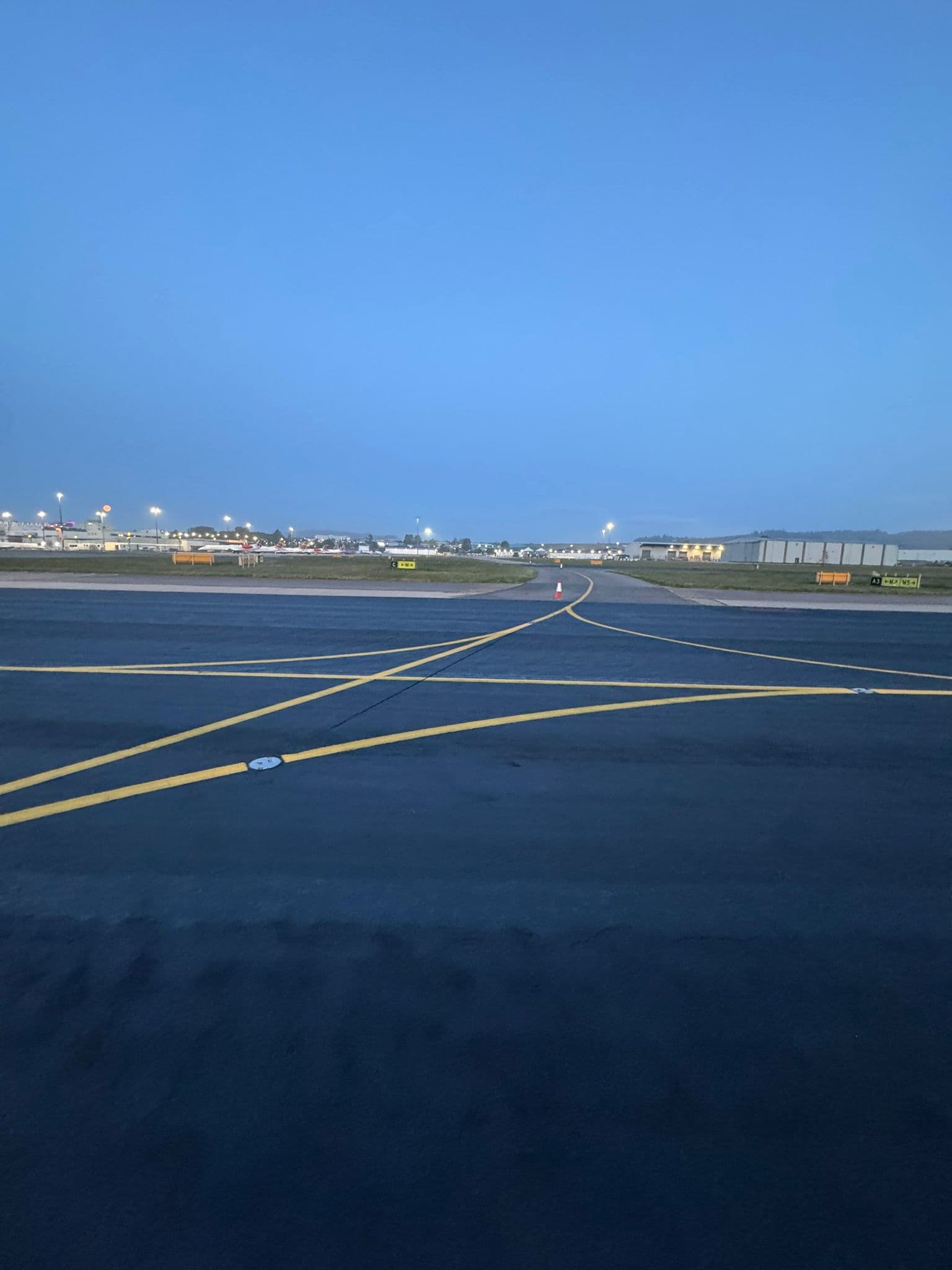
High friction surfacing is the formal name for what most people call anti skid. A resin binder is laid on the running surface and dressed with a hard, angular aggregate. Its entire job is to give a tyre something to grip. It goes on the short lengths of road where braking and turning decide the outcome. It is not laid by the mile. It goes exactly where the standards say it goes, and there are places they say it must not.
At Shepherd and Sons we lay high friction surfacing on highways and public sector schemes across the South East. From working with clients on local authority and trunk road work, we've found the extent of a scheme is usually settled long before a contractor sees it. The useful conversation is about certification and siting rather than price per square metre.
The aggregate is the product
Calcined bauxite is not one option among several. The trade code of practice calls it the only type of aggregate with a proven track record in high friction surfacing. The highway specification's own guidance calls it the only aggregate type that consistently delivers a polished stone value of 70 or above.
Polished stone value measures how well a stone resists being polished smooth by tyres. A PSV 70 aggregate holds its microtexture far longer than natural stone under the same traffic. That is the whole reason a manufactured aggregate is worth the cost.
One correction worth making, because it circulates widely: there is no lower-grade high friction system at PSV 65 for less demanding sites. The figure 65 that people half-remember is a minimum skid resistance value, measured with a pendulum. It applies to every type equally. It is not a second class of aggregate.
What the specification actually says
In the Specification for Highway Works this sits under Clause 924, and the clause is titled High Friction Surfaces. It has carried that title since 1998, so a specification calling it skid resistant surfacing is using a name the document does not.
The clause requires the system to hold a current HAPAS certificate, or equivalent product acceptance scheme certification. It must be installed in accordance with that certification. It carries a two-year guarantee on materials and workmanship.
Note the words or equivalent. The older wording named the certifying body. The current wording does not, so a specification insisting on one particular certificate is stricter than the standard it cites.
Types, and the traffic they are good for
HAPAS assesses high friction surfacing under Specialist Group 1 and classifies systems as Type 1, 2 or 3, with Type 1 the highest performance. Expected service life is 5 to 10 years at the maximum traffic level for that type.
The traffic limits are the useful part. They make type selection a technical decision rather than a commercial one. At junction, roundabout approach and moderate gradient sites the maximum is 3,500 commercial vehicles per lane per day for Type 1. Type 2 takes 1,000, and Type 3 takes 250.
In our experience, checking the certificate and the installer approval as two separate things works better than assuming one implies the other. The certificate belongs to the manufacturer. The approval belongs to the crew laying it, and a certified system installed by an unapproved crew sits outside the certification.
Where it goes
- Approaches to signalised junctions and roundabouts
- Pedestrian and school crossings
- Approaches to bends, where the category is set by a radius under 500 metres rather than by accident history alone
- Steep gradients, categorised at 5 to 10 per cent and above 10 per cent, over lengths greater than 50 metres
- Approaches to level crossings
Highway authorities identify sites from measured skid resistance against an investigatory level. They then apply engineering judgement, including collision history. That is why the extent of a scheme is decided before procurement.
Where the standards say it must not go
Two prohibitions are worth knowing, because both get breached by well-meaning specifications.
The first is roundabouts. The design standard states that high friction surfacing must not be used on the circulatory carriageway of a roundabout, even a signalised one. It is the approach that gets treated, not the circle.
The second is colour. High friction surfacing must not be specified solely because a coloured road surface is wanted. Coloured surfacing for a cycle lane or a bus lane is a different product with a different purpose. Using an HFS system as a paint is an expensive way to get a colour.
Laying it, and why the weather decides
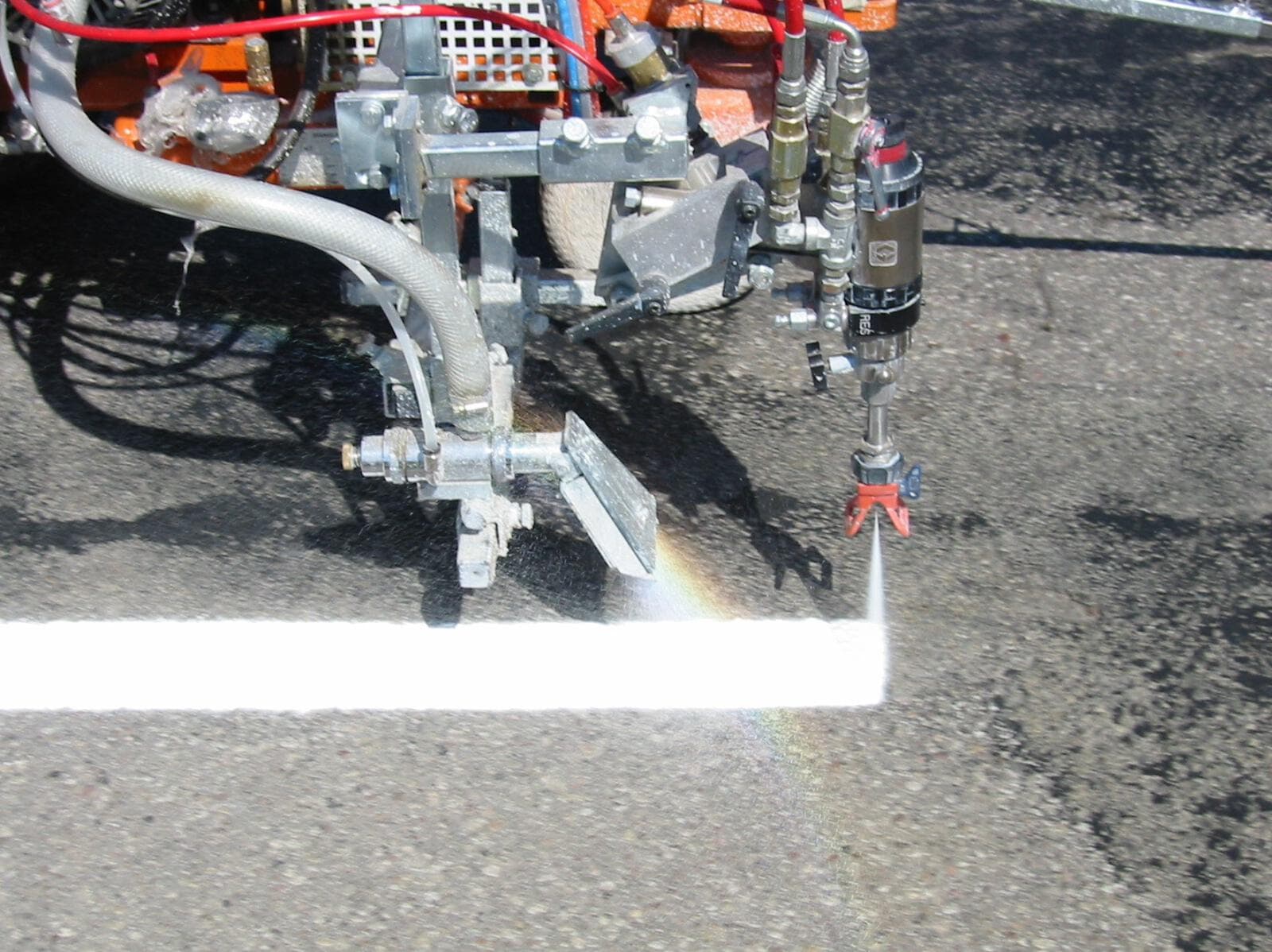
The binder is the sensitive part. It has a working time once mixed or heated, and that time shortens as the temperature rises.
The aggregate has to go on while the binder will still take it. Broadcast too late and the stone sits on the surface rather than in it, and the first winter takes it off.
Surface moisture defeats the bond outright. So does laying onto a surface that is too cold for the binder to wet properly.
That is why HFS schemes cluster in the warmer months and why a wet autumn pushes them into the next year. It is a genuine constraint rather than a contractor's preference.
How it fails, and what that tells you
High friction surfacing fails in two distinct ways, and they point at different causes.
The first is aggregate loss. The stone comes away and leaves bare binder behind, usually in the wheel tracks first. That is a bond problem, and it normally traces back to the surface it was laid on.
The second is polishing. The aggregate stays put but goes smooth, so the site loses its skid resistance while still looking intact. That is the failure mode a visual inspection misses entirely.
Both are why preparation and testing matter more here than on most surface treatments. The existing surface has to be sound, clean and dry. It also has to be strong enough to hold the system when a tyre tries to tear it off.
A site that has already been treated once and failed early is worth investigating before it is treated again. Laying a second system onto the same unsound surface buys the same result at the same cost.
Hot and cold systems
Cold applied systems are the ones most people picture: the resin goes down and the aggregate is broadcast onto it while it is still wet.
Hot applied systems work differently. The resin, aggregate and fillers arrive pre-mixed. They are heated in a boiler and screeded out, so the aggregate is encapsulated rather than scattered on top. Both are legitimate, and the certification covers the system rather than the method.
There is also now a British Standard for high friction surfacing, published in 2022, which is newer than a lot of the guidance still in circulation. Any description of HFS as purely a HAPAS and Clause 924 matter is a few years out of date. The RSTA and ADEPT Code of Practice remains the readable free reference. The caveat is that it predates the standard and cites some design documents that have since been replaced.
For anti skid and high friction surfacing on highways and public sector schemes, get in touch with our team.